






From innovation and corruption to skills readiness, soft power, and poverty, Pakistan’s rankings across multiple global economic and competitiveness indexes highlight systemic weaknesses that undermine its ability to compete globally and foster sustainable development. This narrative examines Pakistan’s standing in key international indexes, situating its performance within broader structural and policy contexts. The country’s consistent slide across multiple indicators over recent years is deplorable, though not incomprehensible, given its entrenched challenges.
Pakistan ranks very low on global development measures due to persistent structural weaknesses in health, education, governance, and economic resilience. In 2025, the country fell to 168th out of 193 nations on the UNDP Human Development Index (HDI), with a score of 0.544, placing it among those with low human development. When adjusted for inequality, the HDI drops further to 0.392, underscoring that whatever gains exist are unevenly distributed. The Gender Inequality Index, at 0.536, reflects poor female participation in education, the labor force, and politics. Pakistan’s HDI ranking has declined from 161 in 2020–21 to 168 in 2025, one of the steepest falls globally.
Regional peers such as India, Bangladesh, and Sri Lanka continue to perform better, largely due to stronger investments in education, health, and governance. Pakistan’s struggles are further highlighted in the Sustainable Development Goals (SDG) Index 2024, where it ranks 137th out of 166 countries with a score of 57.02, signaling slow progress toward global development commitments.
The current state of affairs is imposing new and harsher constraints on the economy, raising the cost of public service delivery, and eroding Pakistan’s credibility among foreign creditors and investors who increasingly question its transparency.
published annually by WIPO in collaboration with Cornell University in the Global Innovation Index (GII) 2025, Pakistan ranks 99th out of 139 economies, slipping from 91st in 2024. This decline underscores the fragility of Pakistan’s innovation ecosystem, which suffers from limited investment in research and development (R&D), weak infrastructure, and policy inconsistencies. With R&D expenditure at less than 0.3% of GDP, far below global averages, Pakistan struggles to generate knowledge outputs and technological advancements.
Transparency International’s Corruption Perceptions Index (CPI) 2025 places Pakistan at 135thout of 180 countries, with a score of 27/100, down from 29 in 2023. This deterioration signals worsening perceptions of public sector integrity. The CPI, widely regarded as the leading global indicator of corruption, reveals growing skepticism among citizens and observers about the government’s effectiveness in tackling corruption. Persistent governance failures not only erode public trust but also deter foreign investment and international partnerships.
Both the Asian Development Bank (ADB) and KPMG project Pakistan’s economy to grow modestly in FY2025, around 2.5–2.7%, with inflation expected at 4.5% in 2025, rising to 6.0% in 2026. Agriculture is forecast to slow, while industry and services show resilience. Although the IMF Extended Fund Facility since October 2024 has stabilized macroeconomic conditions, structural challenges remain. KPMG notes that cooling inflation has allowed interest rate cuts and fiscal reforms have reduced the budget deficit to 2.6% of GDP, yet growth remains fragile. Compared to regional peers such as India, which consistently posts growth above 6%, Pakistan’s economic outlook reflects stagnation and vulnerability.
Pakistan’s position in the QS World Future Skills Index 2025 highlights its struggles in preparing for the demands of tomorrow’s workforce. Ranking outside the top 50 globally, Pakistan lags behind regional peers such as India (25th). The index evaluates countries on innovation, sustainability, digital transformation, and talent development. Pakistan’s weaknesses include poor digital literacy, limited artificial intelligence adoption, weak entrepreneurship, and misalignment between university curricula and industry needs. The ongoing brain drain of skilled professionals further reduces domestic innovation capacity, exacerbating the gap in future skills readiness.
In the Global Soft Power Index 2025 by Brand Finance, Pakistan is positioned in the lower tier among 193 countries, underscoring its limited international influence. Weak economic branding and poor perceptions of the business environment undermine Pakistan’s ability to leverage soft power. Persistent gaps in education and innovation, highlighted by poor rankings in the GII and skills indexes, further reduce Pakistan’s attractiveness.
In the last available edition Global Competitiveness Index (GCI) (2019), Pakistan ranked 110thout of 140 countries, reflecting weaknesses in infrastructure, governance, and innovation. Its exclusion from recent competitiveness assessments underscores data limitations and institutional gaps that prevent meaningful participation in global benchmarking exercises.
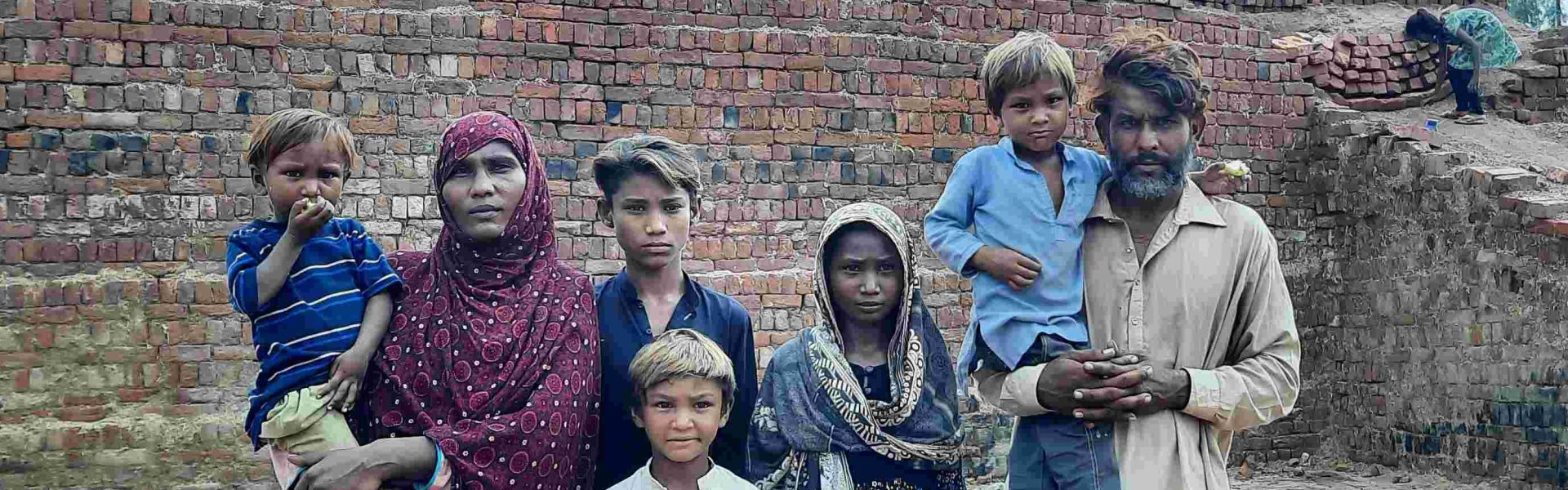
Pakistan ranks among the countries with the highest levels of multidimensional poverty. According to the Global MPI 2025, 38.3% of the population, nearly 89 million people, live in poverty, facing overlapping deprivations in health, education, and living standards. Rural areas account for 87.5% of the poor, with Balochistan showing the highest poverty rates. Pakistan is among the top five countries globally with the largest number of people living in multidimensional poverty. Despite some decline over time, progress has been slow and uneven across provinces. Climate risks and governance challenges exacerbate vulnerabilities, particularly in rural communities.
Across these global indexes, several structural weaknesses consistently emerge in Pakistan’s economic and institutional landscape. One of the most pressing issues is the country’s low investment in research and development, which remains below 0.3% of GDP, far behind international benchmarks, limiting its capacity for innovation and technological advancement. This is compounded by weak infrastructure, where broadband penetration, logistics, and energy systems are underdeveloped, constraining both productivity and competitiveness. The persistent brain drain of skilled professionals migrating abroad further reduces domestic innovation capacity and deprives the economy of critical talent.
Additionally, policy inconsistency, marked by frequent shifts in industrial and education strategies, undermines long-term planning and discourages sustained investment. Finally, governance deficits, including corruption, weak accountability, and poor fiscal management, continue to erode public trust and diminish Pakistan’s ability to compete effectively on the global stage. Together, these structural flaws explain the country’s poor performance across multiple international rankings and highlight the urgent need for comprehensive reforms.
Pakistan’s poor performance across global economic indexes reflects deep-rooted structural challenges that span innovation, governance, skills, soft power, competitiveness, and poverty. While modest improvements have been noted in fiscal stability and inflation management, these gains are overshadowed by systemic weaknesses in education, infrastructure, and institutional accountability. To improve its global standing, Pakistan must prioritize long-term investments in research and development, strengthen governance and anti-corruption frameworks, align education with industry needs, and enhance its cultural and economic branding. Without such reforms, Pakistan risks continued marginalization in global competitiveness and development rankings, limiting its ability to achieve sustainable growth and prosperity.
Views: 613