LATEST NEWS







ARCHIVES
TAGS
2026
Afghanistan
asia
balochistan
bangladesh
brazil
brics
China
Dalai Lama
economy
elections
environment
EU
europe
france
germany
Human Rights
hungary
immigration
India
international relations
iran
iranwar
Iran war
israel
italy
Japan
kashmir
minorities
myanmar
NATO
oped
pakistan
politics
russia
security
spain
taiwan
terrorism
tibet
UAE
ukraine
ukrainewar
USA
war
- Homepage
- Human Rights
- Europe tightens return rules. Can it enforce the safeguards?
Europe tightens return rules. Can it enforce the safeguards?
European Newsdesk
Posted on
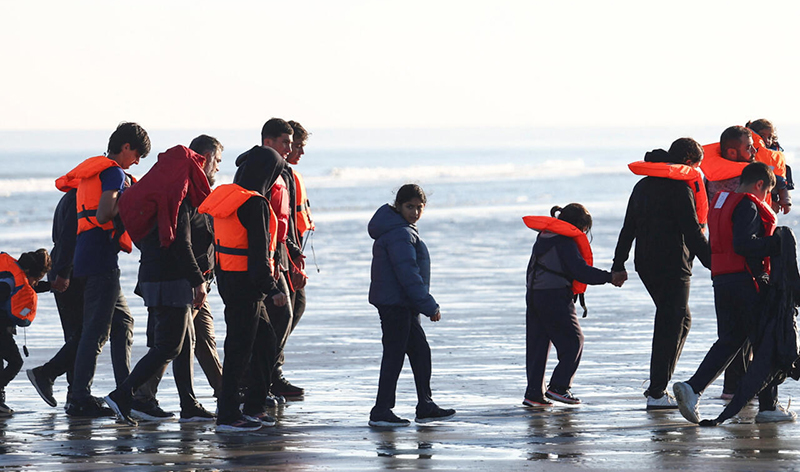
EU ministers gave final approval to the new Return Regulation in Luxembourg on 1 October, strengthening governments’ powers to remove people without a legal right to stay and opening the way for return hubs outside the Union. The legislation addresses a clear weakness in European migration policy. Enforcing its human rights provisions abroad will be a harder task.
The rules introduce a European Return Order to help countries recognise one another’s decisions, although recognition initially remains voluntary. People ordered to leave must cooperate with the authorities. Non-compliance can trigger financial penalties, reductions in allowances and, where national law permits, criminal sanctions.
The most significant provision allows transfers to return hubs in non-EU countries under agreements with participating governments. Host countries must respect international human rights standards, including the prohibition on returning someone to a place where they face serious harm. Unaccompanied minors cannot be sent under these arrangements.
Such hubs could make removal from Europe easier without necessarily making eventual repatriation possible. A country of origin may still refuse readmission or fail to provide documents. The danger is that people leave the EU only to enter prolonged uncertainty elsewhere. Counting transfers as completed returns would conceal that problem.
The regulation requires agreements to define conditions of stay, responsibilities and the consequences of violations. Where onward return is envisaged, they must include independent monitoring and address what happens if that return cannot take place. These protections matter, but their effectiveness will depend on access to facilities, legal assistance and the power to intervene.
Detention powers also expand. The text provides for detention of up to twelve months, extendable to twenty-four under specified circumstances, with a further conditional extension of up to six months. Separate provisions allow longer detention in security cases under judicial supervision. Appeals do not automatically suspend removal, although courts must be able to order a suspension.
That makes timely access to a lawyer and a judge essential. A successful appeal offers little protection if the person has already been transferred into danger. Nor should detention become the default response to a diplomatic problem that the individual cannot resolve.
The Council of Europe’s human rights commissioner, Michael O’Flaherty, has called for prior risk assessments, binding agreements, continuous independent monitoring and mechanisms to suspend cooperation. He also wants agreements and monitoring findings made public so that parliaments and courts can scrutinise them.
Those requirements expose the central political difficulty. Governments seeking faster removals must accept oversight capable of slowing or stopping them. A host country’s assurance that rights will be respected is insufficient if inspectors cannot enter, complaints cannot be heard or violations carry no consequence.
Europe has a legitimate interest in enforcing decisions on who may remain. It can do so consistently with human rights, but the regulation cannot guarantee that outcome. The test will come when an agreement fails. If member states are unwilling to halt transfers and remedy abuses, the hubs will have moved people beyond Europe’s borders faster than Europe can protect them.
Views: 9

- European Newsdesk
- European Newsdesk
- European Newsdesk
- European Newsdesk
- European Newsdesk
- European Newsdesk
- European Newsdesk
- European Newsdesk
- European Newsdesk
- European Newsdesk
- European Newsdesk
- European Newsdesk
- European Newsdesk
- European Newsdesk
- European Newsdesk
- European Newsdesk
- European Newsdesk
- European Newsdesk
- European Newsdesk
- European Newsdesk
- European Newsdesk
- European Newsdesk
- European Newsdesk
- European Newsdesk
- European Newsdesk
- European Newsdesk
- European Newsdesk
- European Newsdesk
- European Newsdesk
- European Newsdesk
- European Newsdesk
- European Newsdesk
- European Newsdesk
- European Newsdesk
- European Newsdesk
- European Newsdesk
- European Newsdesk
- European Newsdesk
- European Newsdesk
- European Newsdesk
- European Newsdesk
- European Newsdesk
- European Newsdesk
- European Newsdesk
- European Newsdesk
- European Newsdesk
- European Newsdesk
- European Newsdesk
- European Newsdesk
- European Newsdesk
- European Newsdesk
- European Newsdesk
- European Newsdesk
- European Newsdesk
- European Newsdesk
- European Newsdesk
- European Newsdesk
- European Newsdesk
- European Newsdesk
- European Newsdesk
- European Newsdesk
- European Newsdesk
- European Newsdesk
- European Newsdesk
- European Newsdesk
- European Newsdesk
- European Newsdesk
- European Newsdesk
- European Newsdesk
- European Newsdesk
- European Newsdesk
- European Newsdesk
- European Newsdesk
- European Newsdesk
- European Newsdesk
- European Newsdesk
- European Newsdesk
- European Newsdesk
- European Newsdesk
- European Newsdesk
- European Newsdesk
- European Newsdesk
- European Newsdesk
- European Newsdesk
- European Newsdesk
- European Newsdesk
- European Newsdesk
- European Newsdesk
- European Newsdesk
- European Newsdesk
- European Newsdesk
- European Newsdesk
- European Newsdesk
- European Newsdesk
- European Newsdesk
- European Newsdesk
- European Newsdesk
- European Newsdesk
- European Newsdesk
- European Newsdesk
- European Newsdesk
- European Newsdesk
- European Newsdesk
- European Newsdesk
- European Newsdesk
- European Newsdesk
- European Newsdesk
- European Newsdesk
- European Newsdesk
- European Newsdesk
- European Newsdesk
- European Newsdesk
- European Newsdesk
- European Newsdesk
- European Newsdesk
- European Newsdesk
- European Newsdesk
- European Newsdesk
- European Newsdesk
- European Newsdesk
- European Newsdesk
- European Newsdesk
- European Newsdesk
- European Newsdesk
- European Newsdesk
- European Newsdesk
- European Newsdesk
- European Newsdesk
- European Newsdesk
- European Newsdesk
- European Newsdesk
- European Newsdesk
- European Newsdesk
- European Newsdesk
- European Newsdesk
- European Newsdesk
- European Newsdesk
- European Newsdesk
- European Newsdesk
- European Newsdesk
- European Newsdesk
- European Newsdesk
- European Newsdesk
- European Newsdesk
- European Newsdesk
- European Newsdesk
- European Newsdesk
- European Newsdesk
- European Newsdesk
- European Newsdesk
- European Newsdesk
- European Newsdesk
- European Newsdesk
- European Newsdesk
- European Newsdesk
- European Newsdesk
- European Newsdesk
- European Newsdesk
- European Newsdesk
- European Newsdesk
- European Newsdesk
- European Newsdesk
- European Newsdesk
- European Newsdesk
- European Newsdesk
- European Newsdesk
- European Newsdesk
- European Newsdesk
- European Newsdesk
- European Newsdesk
- European Newsdesk
- European Newsdesk
- European Newsdesk
- European Newsdesk
- European Newsdesk
- European Newsdesk
- European Newsdesk
- European Newsdesk
- European Newsdesk
- European Newsdesk
- European Newsdesk
- European Newsdesk
- European Newsdesk
- European Newsdesk
- European Newsdesk
- European Newsdesk
- European Newsdesk
- European Newsdesk
- European Newsdesk
- European Newsdesk
- European Newsdesk
- European Newsdesk
- European Newsdesk
- European Newsdesk
- European Newsdesk
- European Newsdesk
- European Newsdesk
- European Newsdesk
- European Newsdesk
- European Newsdesk
- European Newsdesk
- European Newsdesk
- European Newsdesk
- European Newsdesk
- European Newsdesk
- European Newsdesk
- European Newsdesk
- European Newsdesk
- European Newsdesk
- European Newsdesk
- European Newsdesk
- European Newsdesk
- European Newsdesk
- European Newsdesk
- European Newsdesk
- European Newsdesk
- European Newsdesk
- European Newsdesk
- European Newsdesk
- European Newsdesk
- European Newsdesk
- European Newsdesk
- European Newsdesk
- European Newsdesk
- European Newsdesk
- European Newsdesk
- European Newsdesk
- European Newsdesk
- European Newsdesk
- European Newsdesk
- European Newsdesk
- European Newsdesk
- European Newsdesk
- European Newsdesk
- European Newsdesk
- European Newsdesk
- European Newsdesk
- European Newsdesk
- European Newsdesk
- European Newsdesk
- European Newsdesk
- European Newsdesk
- European Newsdesk
- European Newsdesk
- European Newsdesk
- European Newsdesk
- European Newsdesk
- European Newsdesk
- European Newsdesk
- European Newsdesk
- European Newsdesk
- European Newsdesk
- European Newsdesk
- European Newsdesk
- European Newsdesk
- European Newsdesk
- European Newsdesk
- European Newsdesk
- European Newsdesk
- European Newsdesk
- European Newsdesk
- European Newsdesk
- European Newsdesk
- European Newsdesk
- European Newsdesk
- European Newsdesk
- European Newsdesk
- European Newsdesk
- European Newsdesk
- European Newsdesk
- European Newsdesk
- European Newsdesk
- European Newsdesk
- European Newsdesk
- European Newsdesk
- European Newsdesk
- European Newsdesk
- European Newsdesk
- European Newsdesk
- European Newsdesk
- European Newsdesk
- European Newsdesk
- European Newsdesk
- European Newsdesk
- European Newsdesk
- European Newsdesk
- European Newsdesk
- European Newsdesk
- European Newsdesk
- European Newsdesk
- European Newsdesk
- European Newsdesk
- European Newsdesk
- European Newsdesk
- European Newsdesk
- European Newsdesk
- European Newsdesk
- European Newsdesk
- European Newsdesk
- European Newsdesk
- European Newsdesk
- European Newsdesk
- European Newsdesk
- European Newsdesk
- European Newsdesk
- European Newsdesk
- European Newsdesk
- European Newsdesk
- European Newsdesk
- European Newsdesk
- European Newsdesk
- European Newsdesk
- European Newsdesk
- European Newsdesk
- European Newsdesk
- European Newsdesk
- European Newsdesk
- European Newsdesk
- European Newsdesk
- European Newsdesk
- European Newsdesk
- European Newsdesk
- European Newsdesk
- European Newsdesk
- European Newsdesk
- European Newsdesk
- European Newsdesk
- European Newsdesk
- European Newsdesk
- European Newsdesk
- European Newsdesk
- European Newsdesk
- European Newsdesk
- European Newsdesk
- European Newsdesk
- European Newsdesk
- European Newsdesk
- European Newsdesk
- European Newsdesk
- European Newsdesk
- European Newsdesk
- European Newsdesk
- European Newsdesk
- European Newsdesk
- European Newsdesk
- European Newsdesk
- European Newsdesk
- European Newsdesk
- European Newsdesk
- European Newsdesk
- European Newsdesk
- European Newsdesk
- European Newsdesk
- European Newsdesk
- European Newsdesk
- European Newsdesk
- European Newsdesk
- European Newsdesk
- European Newsdesk
- European Newsdesk
- European Newsdesk
- European Newsdesk
- European Newsdesk
- European Newsdesk
- European Newsdesk
- European Newsdesk
- European Newsdesk
- European Newsdesk
- European Newsdesk
- European Newsdesk
- European Newsdesk
- European Newsdesk
- European Newsdesk
- European Newsdesk
- European Newsdesk
- European Newsdesk
- European Newsdesk
- European Newsdesk
- European Newsdesk
- European Newsdesk
- European Newsdesk
- European Newsdesk
- European Newsdesk
- European Newsdesk
- European Newsdesk
- European Newsdesk
- European Newsdesk
- European Newsdesk
- European Newsdesk
- European Newsdesk
- European Newsdesk
- European Newsdesk
- European Newsdesk
- European Newsdesk
- European Newsdesk
- European Newsdesk
- European Newsdesk
- European Newsdesk
- European Newsdesk
- European Newsdesk
- European Newsdesk
- European Newsdesk
- European Newsdesk
- European Newsdesk
- European Newsdesk
- European Newsdesk
- European Newsdesk
- European Newsdesk
- European Newsdesk
- European Newsdesk
- European Newsdesk
- European Newsdesk
- European Newsdesk
- European Newsdesk
- European Newsdesk
- European Newsdesk
- European Newsdesk
- European Newsdesk
- European Newsdesk
- European Newsdesk
- European Newsdesk
- European Newsdesk
- European Newsdesk
- European Newsdesk
- European Newsdesk
- European Newsdesk
- European Newsdesk
- European Newsdesk
- European Newsdesk
- European Newsdesk
- European Newsdesk
- European Newsdesk
- European Newsdesk
- European Newsdesk
- European Newsdesk
- European Newsdesk
- European Newsdesk
- European Newsdesk
- European Newsdesk
- European Newsdesk
- European Newsdesk
- European Newsdesk
- European Newsdesk
- European Newsdesk
- European Newsdesk
- European Newsdesk
- European Newsdesk
- European Newsdesk
- European Newsdesk
- European Newsdesk
- European Newsdesk
- European Newsdesk
- European Newsdesk
- European Newsdesk
- European Newsdesk
- European Newsdesk
- European Newsdesk
- European Newsdesk
- European Newsdesk
- European Newsdesk
- European Newsdesk
- European Newsdesk
- European Newsdesk
- European Newsdesk
- European Newsdesk
- European Newsdesk
- European Newsdesk
- European Newsdesk
- European Newsdesk
- European Newsdesk
- European Newsdesk
- European Newsdesk
- European Newsdesk
- European Newsdesk
- European Newsdesk
- European Newsdesk
- European Newsdesk
- European Newsdesk
- European Newsdesk
- European Newsdesk
- European Newsdesk
You Might Also Like