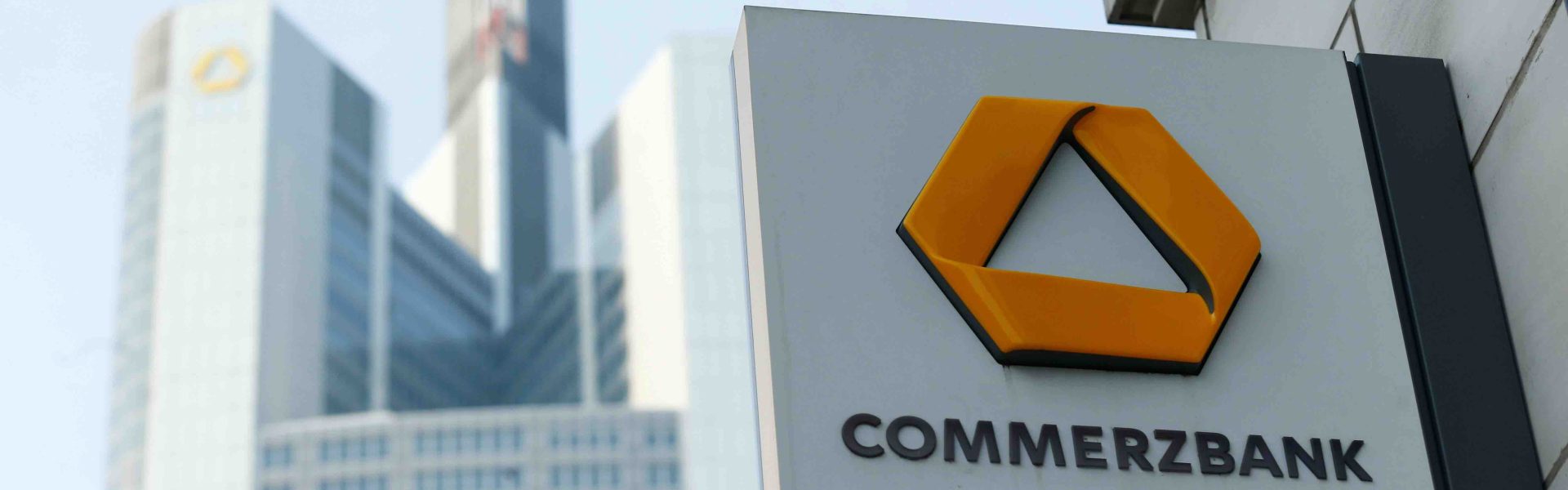







UniCredit has opened talks to merge with German Commerzbank, if successful may start a trend in the fragmented european banking segment. Andrea Orcel, UniCredit’s CEO believes that consolidation in the industry is essential. Germany may politically oppose the deal showing its double standard where it encourages its carrier Luftansa to purchase Italian ITA, however steers clear of Italian companies taking over German companies.
UniCredit’s CEO, Andrea Orcel, approached Commerzbank on Wednesday to explore potential merger discussions, following the Italian bank’s acquisition of a 9% stake in the German lender. This move, as reported by a source with knowledge of the situation, signals UniCredit’s openness to increasing its stake in the future.
Orcel’s strategic maneuver has revived speculation about consolidation within Europe’s fragmented banking sector. However, a larger acquisition of Commerzbank could face opposition from political circles, unions in Germany, and internal resistance within the bank itself.
UniCredit’s newly acquired 9% stake, which makes it one of Commerzbank’s largest shareholders, follows several previous attempts to expand its German presence through acquisitions. The Italian bank paid €700 million ($773 million) for about half of the stake by outbidding others in a government share sale aimed at reducing the state’s stake in Commerzbank. UniCredit purchased the remaining shares on the open market and will seek regulatory approval to buy more “if and when necessary.” The bank already operates in Germany through its subsidiary, HVB, and has a strong capital position.
Commerzbank declined to confirm or deny the approach. However, a source told Reuters that its board was meeting later on Wednesday to discuss UniCredit’s move, with Goldman Sachs advising the German bank. UniCredit declined to comment on the situation.
Analysts at KBW stated that a full takeover of Commerzbank could make financial and strategic sense for UniCredit. Under Orcel’s leadership since April 2021, UniCredit’s share price has quadrupled, valuing the bank at €59 billion, compared to Commerzbank’s €15 billion. Shares of Commerzbank surged 16.6%, closing at €14.69 in Frankfurt, while UniCredit’s shares rose slightly by 0.2% in Milan.
Orcel’s bold move could also prompt other European banks, such as Deutsche Bank, to reassess their strategic options. A source familiar with Commerzbank’s position said the bank would consider merger proposals if necessary. However, a government insider revealed that Germany, which currently owns 12% of Commerzbank, may pause any further share sales in light of the new developments.
Stefan Wittmann, a Commerzbank supervisory board member, vowed to resist any takeover attempt, citing job cuts and centralization issues following UniCredit’s acquisition of HVB. Meanwhile, Commerzbank CEO Manfred Knof, who has downplayed the likelihood of major mergers, announced his intention to step down when his current term ends next year.
European bank regulators have long advocated for consolidation across the region but face political resistance and other challenges. Orcel, a seasoned dealmaker, has emphasized that UniCredit would only pursue mergers and acquisitions if they meet strict financial criteria, aiming for a 15-20% return on investments.
A UK-based UniCredit shareholder praised the Commerzbank move as “clever and opportunistic,” allowing the Italian bank to buy shares at a low cost while leaving its future options open. UniCredit, bolstered by €6.5 billion in excess capital, has previously executed similar deals, including acquiring a 9% stake in Greece’s Alpha Bank last year.
Berlin had recently begun reducing its 16.5% stake in Commerzbank, acquired during the 2008 financial crisis, starting with the sale of 53 million shares, which brought its holding down to 12%. German officials had previously expressed reluctance to allow a foreign bank to acquire Commerzbank, concerned it would strengthen competition against Deutsche Bank.
Orcel had previously approached Knof about a deal in early 2022, but talks stalled due to the Ukraine war. His predecessor, Jean Pierre Mustier, also attempted to acquire Commerzbank, but political resistance thwarted the plan.
UniCredit’s acquisition should not have come as a surprise, according to Orcel, who told Bloomberg that the German government was aware of UniCredit’s initial 4.5% stake before the recent purchase. He emphasized that UniCredit’s move was part of a transparent process, with no intent to bypass the German authorities. However, a powerful labor union, Verdi, remains firmly opposed to any potential acquisition by UniCredit.
Views: 19