






Unauthorised entry and National Security the rising concerns about Chinese migration
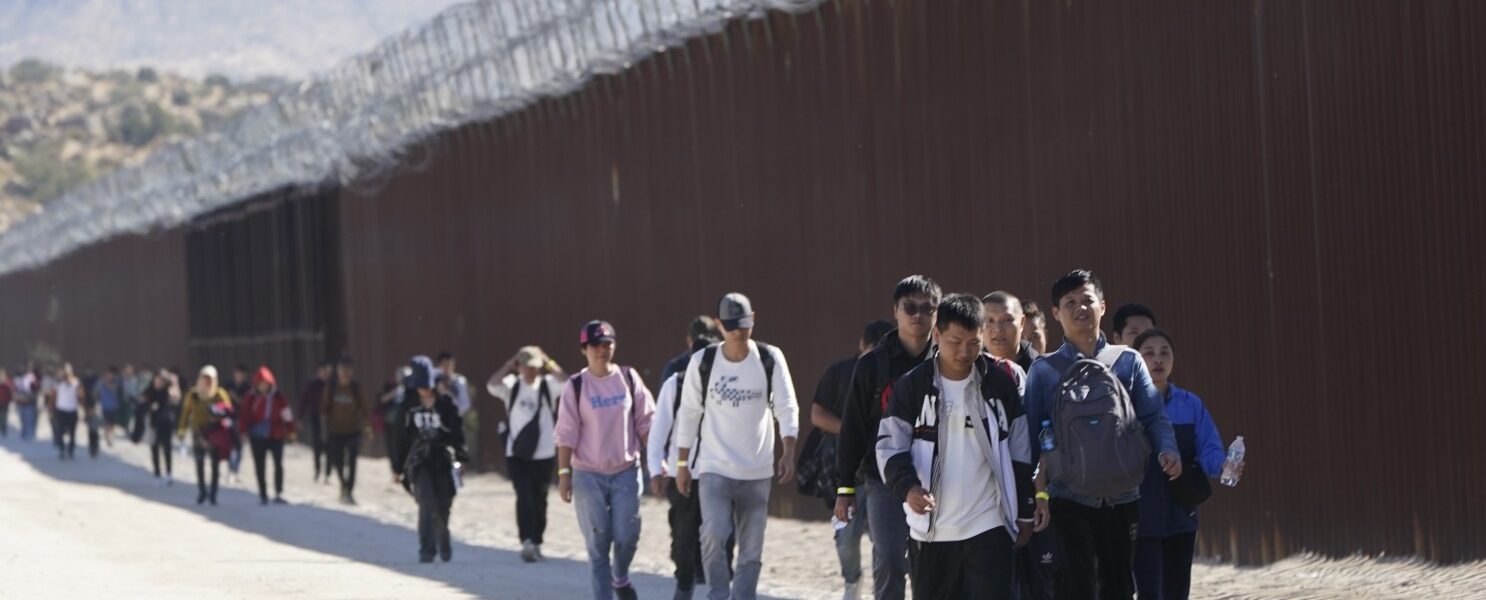
The dramatic surge in Chinese nationals attempting to enter the United States illegally has exposed a complex and potentially dangerous national security landscape that extends far beyond typical immigration challenges. Border patrol data reveals an alarming escalation in unauthorized entries, with Chinese nationals apprehended at the southern border skyrocketing from a mere 2,176 in fiscal year 2022 to over 38,200 in fiscal year 2024—a seventeen-fold increase that has triggered intense scrutiny from federal agencies and lawmakers.
The Department of Homeland Security has responded with a series of chartered deportation flights, removing 356 Chinese nationals in just three operations since June. However, these removals represent only a fraction of total apprehensions, leaving substantial questions about the potential security risks posed by these unauthorized entries. The scale of migration and the documented incidents of attempted infrastructure infiltration suggest a pattern that goes well beyond economic migration.
Multiple documented cases have revealed troubling attempts to access sensitive U.S. military installations. Federal prosecutors have charged multiple Chinese nationals with trespassing at critical military training facilities, including Camp Grayling, the largest Army National Guard training center. Additional incidents include a Chinese student pleading guilty to using drones to photograph naval shipyards, an illegal immigrant arrested while attempting to enter a Marine Corps base, and previous convictions of Chinese nationals for photographing naval facilities.
Republican lawmakers have been particularly vocal about these incidents, characterizing them as potential coordinated efforts by the Chinese Communist Party to probe U.S. military vulnerabilities. Their communications suggest a strategic approach that extends beyond individual actions, potentially representing a systematic attempt to gather intelligence or assess security weaknesses from within U.S. borders.
The Department of Homeland Security’s stance remains firm, with acting deputy secretary Kristie Canegallo emphasizing that individuals without lawful basis will be removed. Yet the sheer volume of apprehensions and the complex geopolitical context raise significant questions about the effectiveness of current screening and deportation mechanisms.
These incidents collectively paint a disturbing picture of potential national security risks. The pattern of unauthorized access suggests a sophisticated approach that goes far beyond traditional notions of illegal immigration. The rapid increase in border crossings, combined with documented attempts to access military and strategic infrastructure, indicates a level of coordination that cannot be dismissed as coincidental.
The situation reveals the intricate and dangerous intersection of immigration policy, national security, and international tensions. Each unauthorized entry represents not just a potential violation of immigration law, but a potential vector for intelligence gathering, infrastructure assessment, or more sophisticated security threats. The Chinese Communist Party’s apparent willingness to leverage migration as a potential tool of strategic assessment represents a novel and deeply concerning approach to international relations.
As the United States continues to grapple with these challenges, the need for comprehensive, nuanced approaches to border security has never been more apparent. The traditional paradigms of immigration enforcement are being tested by a complex geopolitical landscape where migration itself can be a form of strategic engagement.
Views: 86