


LATEST NEWS







ARCHIVES
TAGS
2026
Afghanistan
asia
balochistan
bangladesh
brazil
brics
China
Dalai Lama
economy
elections
environment
EU
europe
france
germany
Human Rights
hungary
immigration
India
international relations
iran
iranwar
Iran war
israel
italy
Japan
kashmir
minorities
myanmar
NATO
oped
pakistan
politics
russia
security
spain
taiwan
terrorism
tibet
UAE
ukraine
ukrainewar
USA
war
- Homepage
- Security and Terrorism
- Oléron Attack Rekindles Europe’s Debate on Extremism and Social Cohesion
Oléron Attack Rekindles Europe’s Debate on Extremism and Social Cohesion
European Newsdesk
Posted on
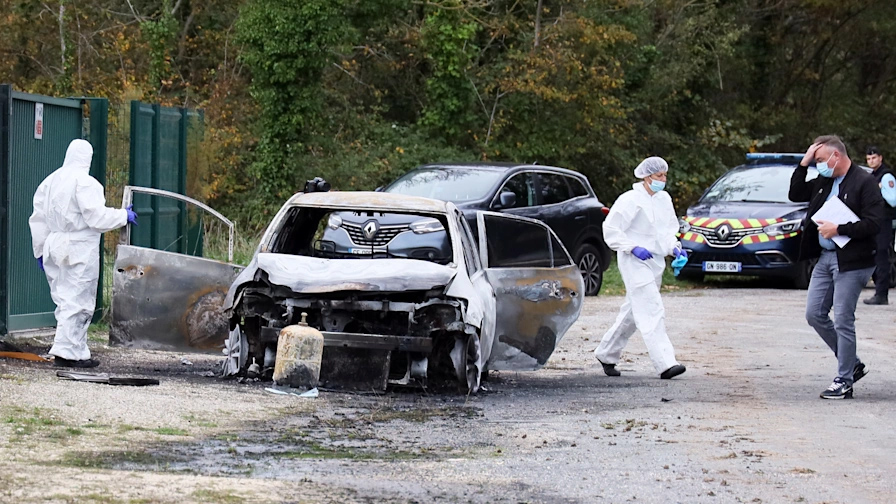
France woke up in shock on Wednesday after a motorist deliberately rammed into pedestrians and cyclists across several towns on the Atlantic island of Oléron, injuring at least five people, two of them seriously. The suspect, a 35-year-old man from the region, was arrested after a 35-minute rampage that left scenes of panic and confusion in what is normally a quiet coastal community.
Witnesses said the driver appeared to target people randomly along the route between Dolus d’Oléron and Saint Pierre d’Oléron. When detained by police, he was heard shouting “Allahu Akbar,” according to early reports confirmed by local authorities. Investigators have opened a case for attempted murder, although anti-terrorism prosecutors have not yet taken over the investigation.
The suspect was not listed in France’s national registry of radicalised individuals and was previously known only for minor offences related to alcohol and property damage. Officials have therefore urged caution against premature conclusions. A spokesperson for the Charente Maritime prefecture stated that at this stage no evidence suggests organised terrorist links.
An atmosphere of unease
Even so, the incident comes at a tense moment for France, where memories of past vehicle attacks in Nice, Paris and Lyon remain vivid. Each such episode reopens the country’s ongoing debate about radicalisation, integration and the balance between vigilance and social cohesion.
If subsequent investigations confirm an Islamist motive, the political and societal reaction could be significant. France is already navigating rising polarisation over immigration, religious identity and public safety. A confirmed extremist link would probably intensify calls for stronger surveillance, tougher deportation laws and tighter control over online content associated with radical ideology.
For centrist leaders, it could also revive delicate debates around laïcité, France’s strict secularism, and how to prevent its misuse as a banner for intolerance. The far right would almost certainly use such a case to reinforce its argument that the government has failed to contain Islamist extremism, especially ahead of municipal elections scheduled for spring 2026.
The wider European lens
Across Europe, incidents of lone-actor violence, whether ideologically driven or not, continue to test the line between criminal pathology and political extremism. From Germany to the United Kingdom, law enforcement agencies have struggled to separate individual instability from organised radicalisation. If France’s latest case is confirmed as Islamist, it would not only reignite national anxieties but also push European policymakers to revisit cross-border security cooperation and preventive strategies against home-grown extremism.
For now, investigators are interviewing witnesses and analysing the suspect’s digital footprint while victims recover in hospital. As France awaits clarity, the island of Oléron remains under a heavy shadow, caught between relief that more lives were not lost and fear of what the full truth might reveal.
Views: 30

- European Newsdesk
- European Newsdesk
- European Newsdesk
- European Newsdesk
- European Newsdesk
- European Newsdesk
- European Newsdesk
- European Newsdesk
- European Newsdesk
- European Newsdesk
- European Newsdesk
- European Newsdesk
- European Newsdesk
- European Newsdesk
- European Newsdesk
- European Newsdesk
- European Newsdesk
- European Newsdesk
- European Newsdesk
- European Newsdesk
- European Newsdesk
- European Newsdesk
- European Newsdesk
- European Newsdesk
- European Newsdesk
- European Newsdesk
- European Newsdesk
- European Newsdesk
- European Newsdesk
- European Newsdesk
- European Newsdesk
- European Newsdesk
- European Newsdesk
- European Newsdesk
- European Newsdesk
- European Newsdesk
- European Newsdesk
- European Newsdesk
- European Newsdesk
- European Newsdesk
- European Newsdesk
- European Newsdesk
- European Newsdesk
- European Newsdesk
- European Newsdesk
- European Newsdesk
- European Newsdesk
- European Newsdesk
- European Newsdesk
- European Newsdesk
- European Newsdesk
- European Newsdesk
- European Newsdesk
- European Newsdesk
- European Newsdesk
- European Newsdesk
- European Newsdesk
- European Newsdesk
- European Newsdesk
- European Newsdesk
- European Newsdesk
- European Newsdesk
- European Newsdesk
- European Newsdesk
- European Newsdesk
- European Newsdesk
- European Newsdesk
- European Newsdesk
- European Newsdesk
- European Newsdesk
- European Newsdesk
- European Newsdesk
- European Newsdesk
- European Newsdesk
- European Newsdesk
- European Newsdesk
- European Newsdesk
- European Newsdesk
- European Newsdesk
- European Newsdesk
- European Newsdesk
- European Newsdesk
- European Newsdesk
- European Newsdesk
- European Newsdesk
- European Newsdesk
- European Newsdesk
- European Newsdesk
- European Newsdesk
- European Newsdesk
- European Newsdesk
- European Newsdesk
- European Newsdesk
- European Newsdesk
- European Newsdesk
- European Newsdesk
- European Newsdesk
- European Newsdesk
- European Newsdesk
- European Newsdesk
- European Newsdesk
- European Newsdesk
- European Newsdesk
- European Newsdesk
- European Newsdesk
- European Newsdesk
- European Newsdesk
- European Newsdesk
- European Newsdesk
- European Newsdesk
- European Newsdesk
- European Newsdesk
- European Newsdesk
- European Newsdesk
- European Newsdesk
- European Newsdesk
- European Newsdesk
- European Newsdesk
- European Newsdesk
- European Newsdesk
- European Newsdesk
- European Newsdesk
- European Newsdesk
- European Newsdesk
- European Newsdesk
- European Newsdesk
- European Newsdesk
- European Newsdesk
- European Newsdesk
- European Newsdesk
- European Newsdesk
- European Newsdesk
- European Newsdesk
- European Newsdesk
- European Newsdesk
- European Newsdesk
- European Newsdesk
- European Newsdesk
- European Newsdesk
- European Newsdesk
- European Newsdesk
- European Newsdesk
- European Newsdesk
- European Newsdesk
- European Newsdesk
- European Newsdesk
- European Newsdesk
- European Newsdesk
- European Newsdesk
- European Newsdesk
- European Newsdesk
- European Newsdesk
- European Newsdesk
- European Newsdesk
- European Newsdesk
- European Newsdesk
- European Newsdesk
- European Newsdesk
- European Newsdesk
- European Newsdesk
- European Newsdesk
- European Newsdesk
- European Newsdesk
- European Newsdesk
- European Newsdesk
- European Newsdesk
- European Newsdesk
- European Newsdesk
- European Newsdesk
- European Newsdesk
- European Newsdesk
- European Newsdesk
- European Newsdesk
- European Newsdesk
- European Newsdesk
- European Newsdesk
- European Newsdesk
- European Newsdesk
- European Newsdesk
- European Newsdesk
- European Newsdesk
- European Newsdesk
- European Newsdesk
- European Newsdesk
- European Newsdesk
- European Newsdesk
- European Newsdesk
- European Newsdesk
- European Newsdesk
- European Newsdesk
- European Newsdesk
- European Newsdesk
- European Newsdesk
- European Newsdesk
- European Newsdesk
- European Newsdesk
- European Newsdesk
- European Newsdesk
- European Newsdesk
- European Newsdesk
- European Newsdesk
- European Newsdesk
- European Newsdesk
- European Newsdesk
- European Newsdesk
- European Newsdesk
- European Newsdesk
- European Newsdesk
- European Newsdesk
- European Newsdesk
- European Newsdesk
- European Newsdesk
- European Newsdesk
- European Newsdesk
- European Newsdesk
- European Newsdesk
- European Newsdesk
- European Newsdesk
- European Newsdesk
- European Newsdesk
- European Newsdesk
- European Newsdesk
- European Newsdesk
- European Newsdesk
- European Newsdesk
- European Newsdesk
- European Newsdesk
- European Newsdesk
- European Newsdesk
- European Newsdesk
- European Newsdesk
- European Newsdesk
- European Newsdesk
- European Newsdesk
- European Newsdesk
- European Newsdesk
- European Newsdesk
- European Newsdesk
- European Newsdesk
- European Newsdesk
- European Newsdesk
- European Newsdesk
- European Newsdesk
- European Newsdesk
- European Newsdesk
- European Newsdesk
- European Newsdesk
- European Newsdesk
- European Newsdesk
- European Newsdesk
- European Newsdesk
- European Newsdesk
- European Newsdesk
- European Newsdesk
- European Newsdesk
- European Newsdesk
- European Newsdesk
- European Newsdesk
- European Newsdesk
- European Newsdesk
- European Newsdesk
- European Newsdesk
- European Newsdesk
- European Newsdesk
- European Newsdesk
- European Newsdesk
- European Newsdesk
- European Newsdesk
- European Newsdesk
- European Newsdesk
- European Newsdesk
- European Newsdesk
- European Newsdesk
- European Newsdesk
- European Newsdesk
- European Newsdesk
- European Newsdesk
- European Newsdesk
- European Newsdesk
- European Newsdesk
- European Newsdesk
- European Newsdesk
- European Newsdesk
- European Newsdesk
- European Newsdesk
- European Newsdesk
- European Newsdesk
- European Newsdesk
- European Newsdesk
- European Newsdesk
- European Newsdesk
- European Newsdesk
- European Newsdesk
- European Newsdesk
- European Newsdesk
- European Newsdesk
- European Newsdesk
- European Newsdesk
- European Newsdesk
- European Newsdesk
- European Newsdesk
- European Newsdesk
- European Newsdesk
- European Newsdesk
- European Newsdesk
- European Newsdesk
- European Newsdesk
- European Newsdesk
- European Newsdesk
- European Newsdesk
- European Newsdesk
- European Newsdesk
- European Newsdesk
- European Newsdesk
- European Newsdesk
- European Newsdesk
- European Newsdesk
- European Newsdesk
- European Newsdesk
- European Newsdesk
- European Newsdesk
- European Newsdesk
- European Newsdesk
- European Newsdesk
- European Newsdesk
- European Newsdesk
- European Newsdesk
- European Newsdesk
- European Newsdesk
- European Newsdesk
- European Newsdesk
- European Newsdesk
- European Newsdesk
- European Newsdesk
- European Newsdesk
- European Newsdesk
- European Newsdesk
- European Newsdesk
- European Newsdesk
- European Newsdesk
- European Newsdesk
- European Newsdesk
- European Newsdesk
- European Newsdesk
- European Newsdesk
- European Newsdesk
- European Newsdesk
- European Newsdesk
- European Newsdesk
- European Newsdesk
- European Newsdesk
- European Newsdesk
- European Newsdesk
- European Newsdesk
- European Newsdesk
- European Newsdesk
- European Newsdesk
- European Newsdesk
- European Newsdesk
- European Newsdesk
- European Newsdesk
- European Newsdesk
- European Newsdesk
- European Newsdesk
- European Newsdesk
- European Newsdesk
- European Newsdesk
- European Newsdesk
- European Newsdesk
- European Newsdesk
- European Newsdesk
- European Newsdesk
- European Newsdesk
- European Newsdesk
- European Newsdesk
- European Newsdesk
- European Newsdesk
- European Newsdesk
- European Newsdesk
- European Newsdesk
- European Newsdesk
- European Newsdesk
- European Newsdesk
- European Newsdesk
- European Newsdesk
- European Newsdesk
- European Newsdesk
- European Newsdesk
- European Newsdesk
- European Newsdesk
- European Newsdesk
- European Newsdesk
- European Newsdesk
- European Newsdesk
- European Newsdesk
- European Newsdesk
- European Newsdesk
- European Newsdesk
- European Newsdesk
- European Newsdesk
- European Newsdesk
- European Newsdesk
- European Newsdesk
- European Newsdesk
- European Newsdesk
- European Newsdesk
- European Newsdesk
- European Newsdesk
- European Newsdesk
- European Newsdesk
- European Newsdesk
- European Newsdesk
- European Newsdesk
- European Newsdesk
- European Newsdesk
- European Newsdesk
- European Newsdesk
- European Newsdesk
- European Newsdesk
- European Newsdesk
- European Newsdesk
- European Newsdesk
- European Newsdesk
- European Newsdesk
- European Newsdesk
- European Newsdesk
- European Newsdesk
- European Newsdesk
- European Newsdesk
- European Newsdesk
- European Newsdesk
- European Newsdesk
- European Newsdesk
- European Newsdesk
- European Newsdesk
- European Newsdesk
- European Newsdesk
- European Newsdesk
- European Newsdesk
- European Newsdesk
- European Newsdesk
- European Newsdesk
- European Newsdesk
- European Newsdesk
- European Newsdesk
- European Newsdesk
- European Newsdesk
- European Newsdesk
- European Newsdesk
- European Newsdesk
- European Newsdesk
- European Newsdesk
- European Newsdesk
- European Newsdesk
- European Newsdesk
- European Newsdesk
- European Newsdesk
- European Newsdesk
- European Newsdesk
- European Newsdesk
- European Newsdesk
- European Newsdesk
- European Newsdesk
- European Newsdesk
- European Newsdesk
- European Newsdesk
- European Newsdesk
- European Newsdesk
- European Newsdesk
- European Newsdesk
- European Newsdesk
- European Newsdesk
- European Newsdesk
- European Newsdesk
- European Newsdesk
- European Newsdesk
- European Newsdesk
- European Newsdesk
- European Newsdesk
- European Newsdesk
- European Newsdesk
- European Newsdesk


