LATEST NEWS







ARCHIVES
TAGS
2026
Afghanistan
asia
balochistan
bangladesh
brazil
brics
China
Dalai Lama
economy
elections
environment
EU
europe
france
germany
Human Rights
hungary
immigration
India
international relations
iran
iranwar
Iran war
israel
italy
Japan
kashmir
minorities
myanmar
NATO
oped
pakistan
politics
russia
security
spain
taiwan
terrorism
tibet
UAE
ukraine
ukrainewar
USA
war
The Generation That Will Never Smoke
European Newsdesk
Posted on
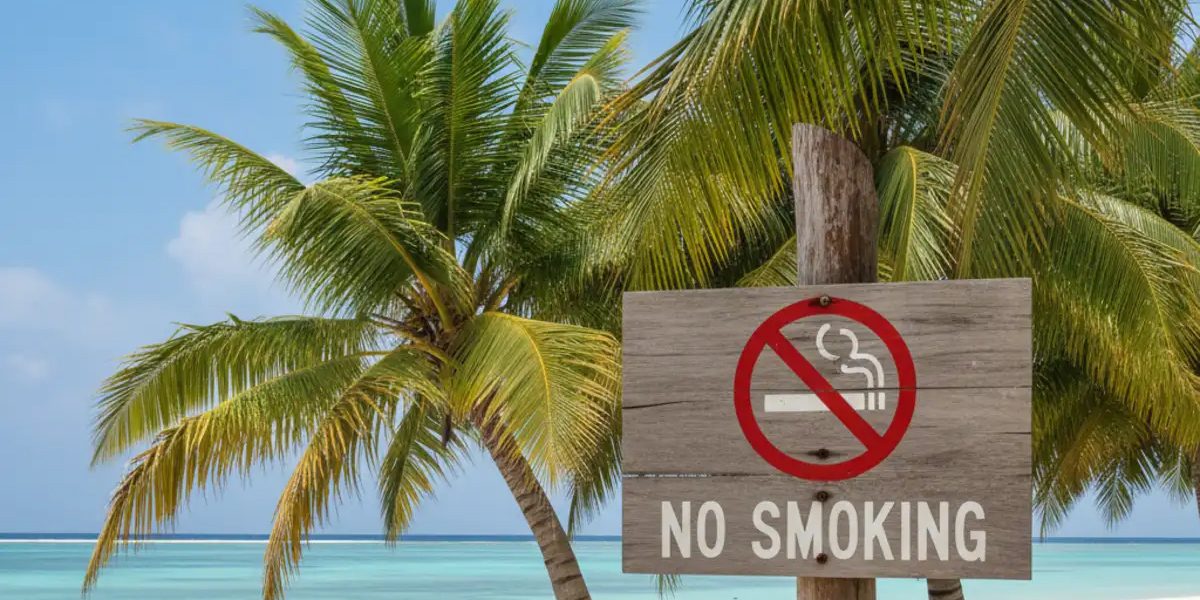
In an age of wellness campaigns and climate pledges, the war on tobacco is entering a new phase. Governments are no longer satisfied with warning labels or taxes. They are now trying to erase smoking from the future itself. The United Kingdom’s proposed Tobacco and Vapes Bill and the Maldives’ new generational ban both imagine a world where an entire generation will never light a cigarette.
The idea is simple. Anyone born after a certain date will never be allowed to buy tobacco. In Britain, that date is January 1, 2009. In the Maldives, it is January 1, 2007. These children, still in their teens, will be the first smoke-free generations in history. The goal is not to make quitting easier but to make starting impossible.
This is more than a public health measure. It marks a change in how governments see their responsibility to citizens. For years, liberal democracies hesitated to legislate on personal choice. Now many argue that the right to smoke cannot outweigh the collective cost of addiction and disease. Health services spend billions treating smoking-related illnesses, while societies lose productivity and lives that could have been saved. The generational ban declares that prevention is no longer a personal matter but a civic duty.
The challenge is how to enforce it. In Britain, retailers will have to check not only whether someone is eighteen but also the year they were born. The Maldives must apply the rule across more than a thousand islands where tourism and informal trade are part of daily life. If visitors can smoke freely while locals cannot, the law may appear unfair or impossible to police.
Critics warn that such bans can create black markets. History shows that when demand survives, prohibition often fails. Cigarettes could simply move underground. Supporters reply that habits do change when policy and culture work together. Smoking rates have already fallen sharply in many countries where tobacco has become socially unacceptable.
The deeper question is moral. Should the state decide in advance what freedoms future adults may have? The debate recalls earlier struggles over seatbelt laws, vaccines, and sugar taxes. Each time, personal liberty was balanced against public welfare. The generational ban pushes that tension further than ever before.
For the Maldives, a small island nation built on tourism, the policy is also symbolic. A tobacco-free generation is a statement of renewal and clean living. For Britain, it is a test of whether long-term health policy can survive political and commercial pressure. If it works, others will follow. If it fails, it will be remembered as an experiment in how far societies can go to protect themselves from themselves.
The world will watch these two islands, one in the North Atlantic and one in the Indian Ocean. If they succeed, the last generation of smokers may already be among us. If they do not, the effort will still mark a turning point in the long battle between individual choice and collective health.
Views: 53

- European Newsdesk
- European Newsdesk
- European Newsdesk
- European Newsdesk
- European Newsdesk
- European Newsdesk
- European Newsdesk
- European Newsdesk
- European Newsdesk
- European Newsdesk
- European Newsdesk
- European Newsdesk
- European Newsdesk
- European Newsdesk
- European Newsdesk
- European Newsdesk
- European Newsdesk
- European Newsdesk
- European Newsdesk
- European Newsdesk
- European Newsdesk
- European Newsdesk
- European Newsdesk
- European Newsdesk
- European Newsdesk
- European Newsdesk
- European Newsdesk
- European Newsdesk
- European Newsdesk
- European Newsdesk
- European Newsdesk
- European Newsdesk
- European Newsdesk
- European Newsdesk
- European Newsdesk
- European Newsdesk
- European Newsdesk
- European Newsdesk
- European Newsdesk
- European Newsdesk
- European Newsdesk
- European Newsdesk
- European Newsdesk
- European Newsdesk
- European Newsdesk
- European Newsdesk
- European Newsdesk
- European Newsdesk
- European Newsdesk
- European Newsdesk
- European Newsdesk
- European Newsdesk
- European Newsdesk
- European Newsdesk
- European Newsdesk
- European Newsdesk
- European Newsdesk
- European Newsdesk
- European Newsdesk
- European Newsdesk
- European Newsdesk
- European Newsdesk
- European Newsdesk
- European Newsdesk
- European Newsdesk
- European Newsdesk
- European Newsdesk
- European Newsdesk
- European Newsdesk
- European Newsdesk
- European Newsdesk
- European Newsdesk
- European Newsdesk
- European Newsdesk
- European Newsdesk
- European Newsdesk
- European Newsdesk
- European Newsdesk
- European Newsdesk
- European Newsdesk
- European Newsdesk
- European Newsdesk
- European Newsdesk
- European Newsdesk
- European Newsdesk
- European Newsdesk
- European Newsdesk
- European Newsdesk
- European Newsdesk
- European Newsdesk
- European Newsdesk
- European Newsdesk
- European Newsdesk
- European Newsdesk
- European Newsdesk
- European Newsdesk
- European Newsdesk
- European Newsdesk
- European Newsdesk
- European Newsdesk
- European Newsdesk
- European Newsdesk
- European Newsdesk
- European Newsdesk
- European Newsdesk
- European Newsdesk
- European Newsdesk
- European Newsdesk
- European Newsdesk
- European Newsdesk
- European Newsdesk
- European Newsdesk
- European Newsdesk
- European Newsdesk
- European Newsdesk
- European Newsdesk
- European Newsdesk
- European Newsdesk
- European Newsdesk
- European Newsdesk
- European Newsdesk
- European Newsdesk
- European Newsdesk
- European Newsdesk
- European Newsdesk
- European Newsdesk
- European Newsdesk
- European Newsdesk
- European Newsdesk
- European Newsdesk
- European Newsdesk
- European Newsdesk
- European Newsdesk
- European Newsdesk
- European Newsdesk
- European Newsdesk
- European Newsdesk
- European Newsdesk
- European Newsdesk
- European Newsdesk
- European Newsdesk
- European Newsdesk
- European Newsdesk
- European Newsdesk
- European Newsdesk
- European Newsdesk
- European Newsdesk
- European Newsdesk
- European Newsdesk
- European Newsdesk
- European Newsdesk
- European Newsdesk
- European Newsdesk
- European Newsdesk
- European Newsdesk
- European Newsdesk
- European Newsdesk
- European Newsdesk
- European Newsdesk
- European Newsdesk
- European Newsdesk
- European Newsdesk
- European Newsdesk
- European Newsdesk
- European Newsdesk
- European Newsdesk
- European Newsdesk
- European Newsdesk
- European Newsdesk
- European Newsdesk
- European Newsdesk
- European Newsdesk
- European Newsdesk
- European Newsdesk
- European Newsdesk
- European Newsdesk
- European Newsdesk
- European Newsdesk
- European Newsdesk
- European Newsdesk
- European Newsdesk
- European Newsdesk
- European Newsdesk
- European Newsdesk
- European Newsdesk
- European Newsdesk
- European Newsdesk
- European Newsdesk
- European Newsdesk
- European Newsdesk
- European Newsdesk
- European Newsdesk
- European Newsdesk
- European Newsdesk
- European Newsdesk
- European Newsdesk
- European Newsdesk
- European Newsdesk
- European Newsdesk
- European Newsdesk
- European Newsdesk
- European Newsdesk
- European Newsdesk
- European Newsdesk
- European Newsdesk
- European Newsdesk
- European Newsdesk
- European Newsdesk
- European Newsdesk
- European Newsdesk
- European Newsdesk
- European Newsdesk
- European Newsdesk
- European Newsdesk
- European Newsdesk
- European Newsdesk
- European Newsdesk
- European Newsdesk
- European Newsdesk
- European Newsdesk
- European Newsdesk
- European Newsdesk
- European Newsdesk
- European Newsdesk
- European Newsdesk
- European Newsdesk
- European Newsdesk
- European Newsdesk
- European Newsdesk
- European Newsdesk
- European Newsdesk
- European Newsdesk
- European Newsdesk
- European Newsdesk
- European Newsdesk
- European Newsdesk
- European Newsdesk
- European Newsdesk
- European Newsdesk
- European Newsdesk
- European Newsdesk
- European Newsdesk
- European Newsdesk
- European Newsdesk
- European Newsdesk
- European Newsdesk
- European Newsdesk
- European Newsdesk
- European Newsdesk
- European Newsdesk
- European Newsdesk
- European Newsdesk
- European Newsdesk
- European Newsdesk
- European Newsdesk
- European Newsdesk
- European Newsdesk
- European Newsdesk
- European Newsdesk
- European Newsdesk
- European Newsdesk
- European Newsdesk
- European Newsdesk
- European Newsdesk
- European Newsdesk
- European Newsdesk
- European Newsdesk
- European Newsdesk
- European Newsdesk
- European Newsdesk
- European Newsdesk
- European Newsdesk
- European Newsdesk
- European Newsdesk
- European Newsdesk
- European Newsdesk
- European Newsdesk
- European Newsdesk
- European Newsdesk
- European Newsdesk
- European Newsdesk
- European Newsdesk
- European Newsdesk
- European Newsdesk
- European Newsdesk
- European Newsdesk
- European Newsdesk
- European Newsdesk
- European Newsdesk
- European Newsdesk
- European Newsdesk
- European Newsdesk
- European Newsdesk
- European Newsdesk
- European Newsdesk
- European Newsdesk
- European Newsdesk
- European Newsdesk
- European Newsdesk
- European Newsdesk
- European Newsdesk
- European Newsdesk
- European Newsdesk
- European Newsdesk
- European Newsdesk
- European Newsdesk
- European Newsdesk
- European Newsdesk
- European Newsdesk
- European Newsdesk
- European Newsdesk
- European Newsdesk
- European Newsdesk
- European Newsdesk
- European Newsdesk
- European Newsdesk
- European Newsdesk
- European Newsdesk
- European Newsdesk
- European Newsdesk
- European Newsdesk
- European Newsdesk
- European Newsdesk
- European Newsdesk
- European Newsdesk
- European Newsdesk
- European Newsdesk
- European Newsdesk
- European Newsdesk
- European Newsdesk
- European Newsdesk
- European Newsdesk
- European Newsdesk
- European Newsdesk
- European Newsdesk
- European Newsdesk
- European Newsdesk
- European Newsdesk
- European Newsdesk
- European Newsdesk
- European Newsdesk
- European Newsdesk
- European Newsdesk
- European Newsdesk
- European Newsdesk
- European Newsdesk
- European Newsdesk
- European Newsdesk
- European Newsdesk
- European Newsdesk
- European Newsdesk
- European Newsdesk
- European Newsdesk
- European Newsdesk
- European Newsdesk
- European Newsdesk
- European Newsdesk
- European Newsdesk
- European Newsdesk
- European Newsdesk
- European Newsdesk
- European Newsdesk
- European Newsdesk
- European Newsdesk
- European Newsdesk
- European Newsdesk
- European Newsdesk
- European Newsdesk
- European Newsdesk
- European Newsdesk
- European Newsdesk
- European Newsdesk
- European Newsdesk
- European Newsdesk
- European Newsdesk
- European Newsdesk
- European Newsdesk
- European Newsdesk
- European Newsdesk
- European Newsdesk
- European Newsdesk
- European Newsdesk
- European Newsdesk
- European Newsdesk
- European Newsdesk
- European Newsdesk
- European Newsdesk
- European Newsdesk
- European Newsdesk
- European Newsdesk
- European Newsdesk
- European Newsdesk
- European Newsdesk
- European Newsdesk
- European Newsdesk
- European Newsdesk
- European Newsdesk
- European Newsdesk
- European Newsdesk
- European Newsdesk
- European Newsdesk
- European Newsdesk
- European Newsdesk
- European Newsdesk
- European Newsdesk
- European Newsdesk
- European Newsdesk
- European Newsdesk
- European Newsdesk
- European Newsdesk
- European Newsdesk
- European Newsdesk
- European Newsdesk
- European Newsdesk
- European Newsdesk
- European Newsdesk
- European Newsdesk
- European Newsdesk
- European Newsdesk
- European Newsdesk
- European Newsdesk
- European Newsdesk
- European Newsdesk
- European Newsdesk
- European Newsdesk
- European Newsdesk
- European Newsdesk
- European Newsdesk
- European Newsdesk
- European Newsdesk
- European Newsdesk
- European Newsdesk
- European Newsdesk
- European Newsdesk
- European Newsdesk
- European Newsdesk
- European Newsdesk
- European Newsdesk
- European Newsdesk
- European Newsdesk
- European Newsdesk
- European Newsdesk
- European Newsdesk
- European Newsdesk
- European Newsdesk
- European Newsdesk
- European Newsdesk
- European Newsdesk
- European Newsdesk
- European Newsdesk
- European Newsdesk
- European Newsdesk
- European Newsdesk
- European Newsdesk
- European Newsdesk
- European Newsdesk
- European Newsdesk
- European Newsdesk
- European Newsdesk
- European Newsdesk
- European Newsdesk
- European Newsdesk
- European Newsdesk
- European Newsdesk
- European Newsdesk
- European Newsdesk
- European Newsdesk
- European Newsdesk
- European Newsdesk
- European Newsdesk
- European Newsdesk
- European Newsdesk
- European Newsdesk
- European Newsdesk
- European Newsdesk
- European Newsdesk
- European Newsdesk
- European Newsdesk
- European Newsdesk
- European Newsdesk
- European Newsdesk
You Might Also Like