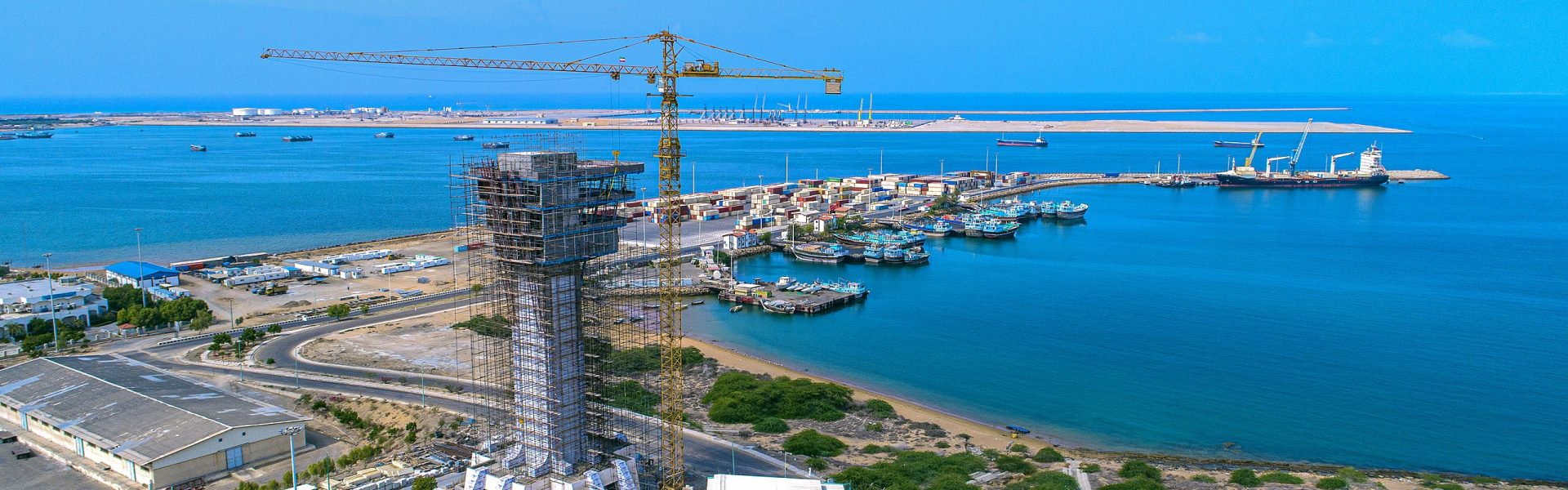







WASHINGTON D.C / NEW DELHI: The Chabahar Port in southeastern Iran has long been a focal point of regional connectivity, offering India a direct route to Afghanistan and Central Asia while bypassing Pakistan. The strategic significance of this port has kept it at the center of geopolitical maneuvering, particularly in the context of U.S.-Iran relations. Under former President Donald Trump’s first administration, the U.S. pursued a “maximum pressure” policy against Iran, imposing severe economic sanctions designed to cripple Tehran’s economy. However, Chabahar was granted a rare exemption due to its role in facilitating Afghanistan’s stability and supporting India’s regional interests.
In early February 2025, President Donald Trump issued a directive instructing the Secretary of State to “modify or rescind sanctions waivers, particularly those that provide Iran any degree of economic or financial relief, including those related to Iran’s Chabahar port project.” This move marks a significant departure from the previous policy that had allowed India to continue its investments in the port despite sanctions on Iran. Initially issued in 2018, the waiver recognized the port’s strategic importance in facilitating Afghanistan’s reconstruction and providing India with an alternative trade route bypassing Pakistan. The latest directive, however, signals a harder stance on Iran and complicates India’s geopolitical calculus.
During Trump’s first term, the U.S. had recognized that Chabahar served as a critical trade and transit route for Afghanistan, which was then a major focus of U.S. policy. India’s involvement in Chabahar was also a key factor in securing the waiver, as Washington sought to counterbalance China’s growing influence in the region, particularly through its Belt and Road Initiative (BRI) and its investments in Pakistan’s Gwadar Port. However, Trump’s second term takes place in a vastly different strategic environment. With the U.S. having withdrawn from Afghanistan, Washington’s direct interest in maintaining supply routes through Iran has diminished. This shift reduces the necessity of protecting Chabahar from sanctions, potentially placing India’s investments in jeopardy.
India finds itself in a precarious position as it balances its strategic partnerships with both the U.S. and Iran. New Delhi has consistently advocated for the continuation of exemptions for Chabahar, citing the port’s importance in regional connectivity and its role in stabilizing Afghanistan. A hostile U.S. stance on Iran could disrupt India’s long-term plans for the port and weaken its broader strategy for engaging with Central Asia. Analysts suggest that this decision may also impact Afghanistan and other U.S. regional partners, potentially affecting counterterrorism efforts and regional stability.
Moreover, the prospect of heightened U.S. sanctions might push Iran closer to China, which has already deepened its economic ties with Tehran through a 25-year strategic agreement. This could result in greater Chinese influence over Chabahar, potentially undermining India’s presence in a project it has worked hard to develop. If U.S. sanctions deter India from fully committing to Chabahar, China may step in with additional investments, strengthening its presence in Iran and challenging U.S. influence in the region. This could tilt the balance of power in favor of the China-Iran-Pakistan axis, complicating India’s regional aspirations.
As the situation unfolds, Indian authorities are closely assessing the implications of the U.S. directive and exploring potential responses to safeguard their interests in Chabahar and the broader region. Much will depend on how the U.S.-India relationship evolves and whether Washington sees value in maintaining India’s role in Chabahar. If Trump’s administration remains rigid on its sanctions policy, India may have to explore alternative financial mechanisms or diplomatic channels to sustain its involvement in the project.
This policy shift underscores the complexities of international alliances and the far-reaching consequences of U.S. sanctions on global geopolitical dynamics. Chabahar remains a critical test of how strategic interests evolve in the face of shifting U.S. policies, and its future will largely depend on how the involved nations navigate this evolving challenge.
Views: 78