






The ongoing public mobilisation in Khyber Pakhtunkhwa’s Swat Valley Swat valley is rooted in security concerns, while the protests in Kashmir were driven by inflation and coercion. So, they might appear different. But they are not. At the centre of both stands the same problem—the governance by the Islamabad government. This is where their trajectories begin to resemble each other.
The strongest commonality in the grievances raised by the people of both regions is their challenge to the state of Pakistan, which they say has failed to represent them. Pakistan appears to have failed miserably to govern these regions as it has not only failed to accommodate and understand the needs and aspirations of their people but has rather imposed autocratic rule to control them.
The protesters in Pakistan-administered Kashmir argued that the decisions affecting them were shaped by political interests that are outside their territory and oblivious to their needs and concerns. Similarly, the residents in the Swat valley cried that the Pakistani security establishment was unaware of the negative consequences of the decisions they made.
One common thread that binds these regions is the heavy presence of security forces. Historically, Khyber Pakhtunkhwa and Kashmir have witnessed a stronger role for the Pakistani security establishment than civilian or political institutions. Could this be a major factor behind the simmering anger over unresolved local grievances turning people against the state’s governance model and mobilising them to confront with the state institutions?
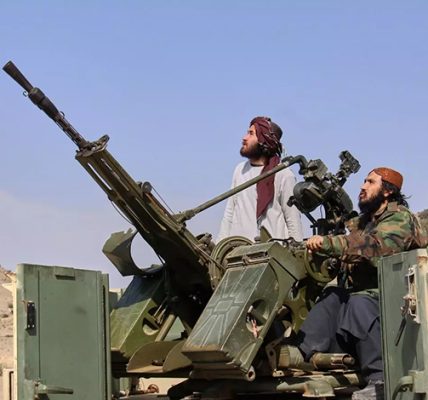
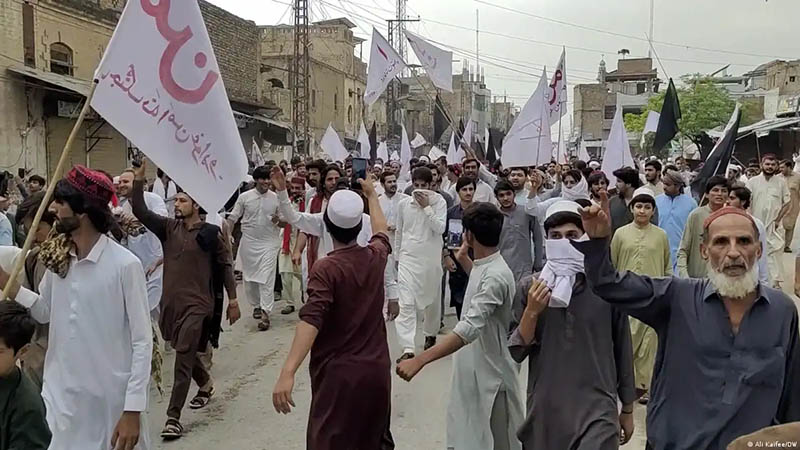
People in the Khyber Pakhtunkhwa are frustrated with the Pakistani armed forces’ incapability to contain terrorist activities despite locals extending their full support. Over 10,000 bomb blasts are reported in Pakistan over the years. The agitated population of the Swat Valley held a protest march recently, in which they slammed the Islamabad government and the army and demanded firm and concrete action against terrorists.
Interestingly, Pakistan has topped the list of the Global Terrorism Index in 2026. The terror attacks have increased and the internal security situation has deteriorated despite army chief Asim Munir boasting about his hard-line approach to terrorism. Why? Because Munir and his army have forgot that military might cannot be a feasible solution to restore peace and stability. Local political leaders and civil society are not allowed to be a part of peace programmes, which has deprived the efforts of understanding the ground realities, people’s concerns and demands.
Against such a backdrop, the decisions taken by the Islamabad government and the army sans public consultation have often ended up hurting people and local stability. The current reaction is culmination of the incapability and lax attitude shown by the state of Pakistan over the years. The weakened people’s faith in the Pakistan government was a primary reason why about 80 percent of Swat was under Taliban’s control about 15 years ago.
Things have not changed much. People are suffering from terrorism, yet the state of Pakistan remains detached from the reality and unresponsive to finding a resolution. Locals protested against the Pakistani army a couple of years ago, saying it turned a blind eye to the activity of militants. They said they did not have trust in the military as its earlier actions caused huge damage and losses to locals as the armed forces had had no sympathetic attitude.
New research authored by Christian Kaunert from Dublin City University revealed that the protests against the Pakistani army reflected a “deep legitimacy crisis” between the state of Pakistan and the people of Khyber Pakhtunkhwa. “Instead of restoring peace, the continued application of militarised responses has weakened people’s confidence and eroded the state’s credibility as a legitimate security provider,” it said. All this caused a growing section of Khyber Pakhtunkhwa population becoming alienated from Pakistan as the frustration continued to increase.
Kashmir too is suffering from similar effects as locals are dejected over overt interference by the state of Pakistan in their locals matters and ruthless crackdowns on demands of basic civil and political rights. The most striking resemblance between the two public movements in two different provinces is the feeling that decisions affecting them are shaped by those sitting outside, with little understanding of ground realities and sympathy for their concerns. This sense of being ignored and the perception of external interference and brutal repression have deepened alienation from the state. Kashmir and Khyber Pakhtunkhwa are being pushed to the breaking point.
Views: 26