LATEST NEWS







ARCHIVES
TAGS
2026
Afghanistan
asia
balochistan
bangladesh
brazil
brics
China
Dalai Lama
economy
elections
environment
EU
europe
france
germany
Human Rights
hungary
immigration
India
international relations
iran
iranwar
Iran war
israel
italy
Japan
kashmir
minorities
myanmar
NATO
oped
pakistan
politics
russia
security
spain
taiwan
terrorism
tibet
UAE
ukraine
ukrainewar
USA
war
- Homepage
- International Relations
- US-Iran discussions at Omani Embassy as all roads lead to Rome
US-Iran discussions at Omani Embassy as all roads lead to Rome
European Newsdesk
Posted on
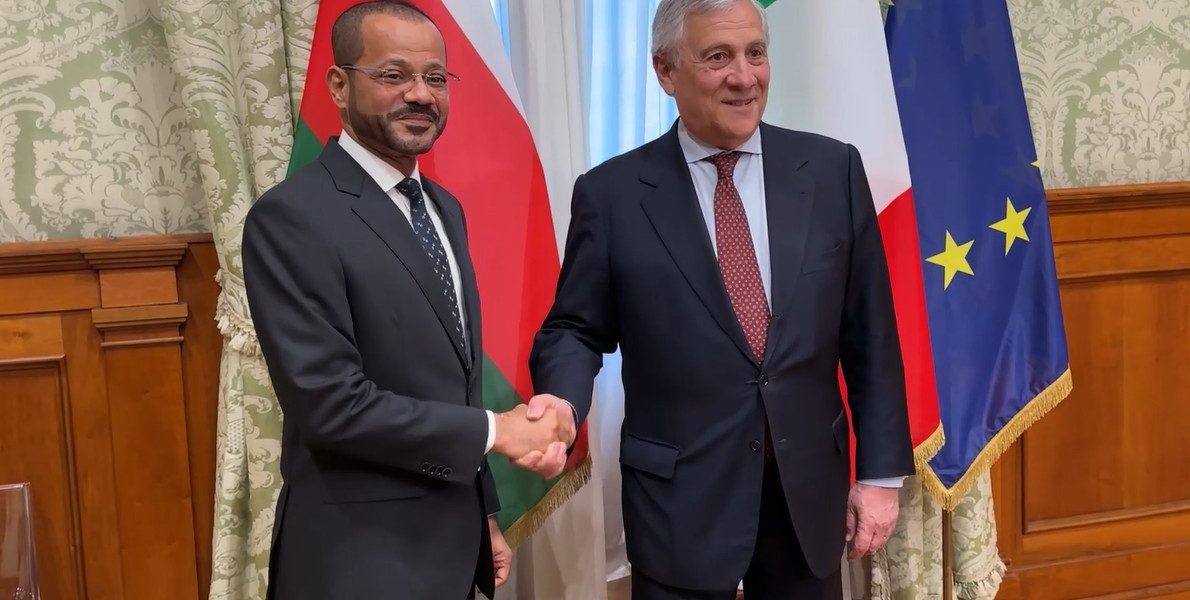
ROME: The refusal to hold the second round of discussions under the supervision of the Italians demonstrates a lack of trust from the Iranian side on whether the Italian government can play an honest broker. Despite the discussions being held in Rome, it will essentially be held on Omani territory, i.e. the residence of the Ambassador of Oman to Italy.
In April 2025, the United States and Iran re-engaged in indirect negotiations concerning Iran’s nuclear program, marking a significant development in diplomatic relations. The first round of talks occurred in Muscat, Oman, on April 12, facilitated by Omani mediators. These discussions were described as “positive and constructive” by both parties, focusing on de-escalating tensions surrounding Iran’s uranium enrichment activities.
The second round of negotiations is scheduled to take place in Rome, Italy, on April 19, with Oman continuing its role as mediator. The upcoming talks aim to build upon the progress made in Oman, addressing key issues such as uranium enrichment levels and the lifting of economic sanctions.
Key Negotiators and Positions
The U.S. delegation is led by Steve Witkoff, a close ally of President Donald Trump, while Iran’s team is headed by seasoned diplomat Abbas Araghchi. Both negotiators bring distinct perspectives to the table, reflecting the complex nature of the discussions.
Iran has expressed willingness to accept certain restrictions on its uranium enrichment program but demands firm guarantees that former President Donald Trump will not withdraw from a new nuclear agreement if re-elected. This request stems from Trump’s 2018 decision to abandon the 2015 nuclear deal and reimpose tough sanctions.
International Involvement and Outlook
Ahead of the Rome talks, Iran’s Foreign Minister Abbas Araghchi met with Russian counterpart Sergey Lavrov in Moscow, seeking Russia’s support for a potential new agreement. Lavrov expressed readiness to mediate, emphasizing the focus should remain strictly on nuclear issues.
The outcome of these negotiations holds significant implications for regional stability and international relations. While both sides have shown a commitment to diplomacy, substantial differences remain, particularly concerning uranium enrichment and sanctions relief. The international community watches closely as the U.S. and Iran navigate these complex discussions in pursuit of a mutually acceptable resolution.
Views: 42

- European Newsdesk
- European Newsdesk
- European Newsdesk
- European Newsdesk
- European Newsdesk
- European Newsdesk
- European Newsdesk
- European Newsdesk
- European Newsdesk
- European Newsdesk
- European Newsdesk
- European Newsdesk
- European Newsdesk
- European Newsdesk
- European Newsdesk
- European Newsdesk
- European Newsdesk
- European Newsdesk
- European Newsdesk
- European Newsdesk
- European Newsdesk
- European Newsdesk
- European Newsdesk
- European Newsdesk
- European Newsdesk
- European Newsdesk
- European Newsdesk
- European Newsdesk
- European Newsdesk
- European Newsdesk
- European Newsdesk
- European Newsdesk
- European Newsdesk
- European Newsdesk
- European Newsdesk
- European Newsdesk
- European Newsdesk
- European Newsdesk
- European Newsdesk
- European Newsdesk
- European Newsdesk
- European Newsdesk
- European Newsdesk
- European Newsdesk
- European Newsdesk
- European Newsdesk
- European Newsdesk
- European Newsdesk
- European Newsdesk
- European Newsdesk
- European Newsdesk
- European Newsdesk
- European Newsdesk
- European Newsdesk
- European Newsdesk
- European Newsdesk
- European Newsdesk
- European Newsdesk
- European Newsdesk
- European Newsdesk
- European Newsdesk
- European Newsdesk
- European Newsdesk
- European Newsdesk
- European Newsdesk
- European Newsdesk
- European Newsdesk
- European Newsdesk
- European Newsdesk
- European Newsdesk
- European Newsdesk
- European Newsdesk
- European Newsdesk
- European Newsdesk
- European Newsdesk
- European Newsdesk
- European Newsdesk
- European Newsdesk
- European Newsdesk
- European Newsdesk
- European Newsdesk
- European Newsdesk
- European Newsdesk
- European Newsdesk
- European Newsdesk
- European Newsdesk
- European Newsdesk
- European Newsdesk
- European Newsdesk
- European Newsdesk
- European Newsdesk
- European Newsdesk
- European Newsdesk
- European Newsdesk
- European Newsdesk
- European Newsdesk
- European Newsdesk
- European Newsdesk
- European Newsdesk
- European Newsdesk
- European Newsdesk
- European Newsdesk
- European Newsdesk
- European Newsdesk
- European Newsdesk
- European Newsdesk
- European Newsdesk
- European Newsdesk
- European Newsdesk
- European Newsdesk
- European Newsdesk
- European Newsdesk
- European Newsdesk
- European Newsdesk
- European Newsdesk
- European Newsdesk
- European Newsdesk
- European Newsdesk
- European Newsdesk
- European Newsdesk
- European Newsdesk
- European Newsdesk
- European Newsdesk
- European Newsdesk
- European Newsdesk
- European Newsdesk
- European Newsdesk
- European Newsdesk
- European Newsdesk
- European Newsdesk
- European Newsdesk
- European Newsdesk
- European Newsdesk
- European Newsdesk
- European Newsdesk
- European Newsdesk
- European Newsdesk
- European Newsdesk
- European Newsdesk
- European Newsdesk
- European Newsdesk
- European Newsdesk
- European Newsdesk
- European Newsdesk
- European Newsdesk
- European Newsdesk
- European Newsdesk
- European Newsdesk
- European Newsdesk
- European Newsdesk
- European Newsdesk
- European Newsdesk
- European Newsdesk
- European Newsdesk
- European Newsdesk
- European Newsdesk
- European Newsdesk
- European Newsdesk
- European Newsdesk
- European Newsdesk
- European Newsdesk
- European Newsdesk
- European Newsdesk
- European Newsdesk
- European Newsdesk
- European Newsdesk
- European Newsdesk
- European Newsdesk
- European Newsdesk
- European Newsdesk
- European Newsdesk
- European Newsdesk
- European Newsdesk
- European Newsdesk
- European Newsdesk
- European Newsdesk
- European Newsdesk
- European Newsdesk
- European Newsdesk
- European Newsdesk
- European Newsdesk
- European Newsdesk
- European Newsdesk
- European Newsdesk
- European Newsdesk
- European Newsdesk
- European Newsdesk
- European Newsdesk
- European Newsdesk
- European Newsdesk
- European Newsdesk
- European Newsdesk
- European Newsdesk
- European Newsdesk
- European Newsdesk
- European Newsdesk
- European Newsdesk
- European Newsdesk
- European Newsdesk
- European Newsdesk
- European Newsdesk
- European Newsdesk
- European Newsdesk
- European Newsdesk
- European Newsdesk
- European Newsdesk
- European Newsdesk
- European Newsdesk
- European Newsdesk
- European Newsdesk
- European Newsdesk
- European Newsdesk
- European Newsdesk
- European Newsdesk
- European Newsdesk
- European Newsdesk
- European Newsdesk
- European Newsdesk
- European Newsdesk
- European Newsdesk
- European Newsdesk
- European Newsdesk
- European Newsdesk
- European Newsdesk
- European Newsdesk
- European Newsdesk
- European Newsdesk
- European Newsdesk
- European Newsdesk
- European Newsdesk
- European Newsdesk
- European Newsdesk
- European Newsdesk
- European Newsdesk
- European Newsdesk
- European Newsdesk
- European Newsdesk
- European Newsdesk
- European Newsdesk
- European Newsdesk
- European Newsdesk
- European Newsdesk
- European Newsdesk
- European Newsdesk
- European Newsdesk
- European Newsdesk
- European Newsdesk
- European Newsdesk
- European Newsdesk
- European Newsdesk
- European Newsdesk
- European Newsdesk
- European Newsdesk
- European Newsdesk
- European Newsdesk
- European Newsdesk
- European Newsdesk
- European Newsdesk
- European Newsdesk
- European Newsdesk
- European Newsdesk
- European Newsdesk
- European Newsdesk
- European Newsdesk
- European Newsdesk
- European Newsdesk
- European Newsdesk
- European Newsdesk
- European Newsdesk
- European Newsdesk
- European Newsdesk
- European Newsdesk
- European Newsdesk
- European Newsdesk
- European Newsdesk
- European Newsdesk
- European Newsdesk
- European Newsdesk
- European Newsdesk
- European Newsdesk
- European Newsdesk
- European Newsdesk
- European Newsdesk
- European Newsdesk
- European Newsdesk
- European Newsdesk
- European Newsdesk
- European Newsdesk
- European Newsdesk
- European Newsdesk
- European Newsdesk
- European Newsdesk
- European Newsdesk
- European Newsdesk
- European Newsdesk
- European Newsdesk
- European Newsdesk
- European Newsdesk
- European Newsdesk
- European Newsdesk
- European Newsdesk
- European Newsdesk
- European Newsdesk
- European Newsdesk
- European Newsdesk
- European Newsdesk
- European Newsdesk
- European Newsdesk
- European Newsdesk
- European Newsdesk
- European Newsdesk
- European Newsdesk
- European Newsdesk
- European Newsdesk
- European Newsdesk
- European Newsdesk
- European Newsdesk
- European Newsdesk
- European Newsdesk
- European Newsdesk
- European Newsdesk
- European Newsdesk
- European Newsdesk
- European Newsdesk
- European Newsdesk
- European Newsdesk
- European Newsdesk
- European Newsdesk
- European Newsdesk
- European Newsdesk
- European Newsdesk
- European Newsdesk
- European Newsdesk
- European Newsdesk
- European Newsdesk
- European Newsdesk
- European Newsdesk
- European Newsdesk
- European Newsdesk
- European Newsdesk
- European Newsdesk
- European Newsdesk
- European Newsdesk
- European Newsdesk
- European Newsdesk
- European Newsdesk
- European Newsdesk
- European Newsdesk
- European Newsdesk
- European Newsdesk
- European Newsdesk
- European Newsdesk
- European Newsdesk
- European Newsdesk
- European Newsdesk
- European Newsdesk
- European Newsdesk
- European Newsdesk
- European Newsdesk
- European Newsdesk
- European Newsdesk
- European Newsdesk
- European Newsdesk
- European Newsdesk
- European Newsdesk
- European Newsdesk
- European Newsdesk
- European Newsdesk
- European Newsdesk
- European Newsdesk
- European Newsdesk
- European Newsdesk
- European Newsdesk
- European Newsdesk
- European Newsdesk
- European Newsdesk
- European Newsdesk
- European Newsdesk
- European Newsdesk
- European Newsdesk
- European Newsdesk
- European Newsdesk
- European Newsdesk
- European Newsdesk
- European Newsdesk
- European Newsdesk
- European Newsdesk
- European Newsdesk
- European Newsdesk
- European Newsdesk
- European Newsdesk
- European Newsdesk
- European Newsdesk
- European Newsdesk
- European Newsdesk
- European Newsdesk
- European Newsdesk
- European Newsdesk
- European Newsdesk
- European Newsdesk
- European Newsdesk
- European Newsdesk
- European Newsdesk
- European Newsdesk
- European Newsdesk
- European Newsdesk
- European Newsdesk
- European Newsdesk
- European Newsdesk
- European Newsdesk
- European Newsdesk
- European Newsdesk
- European Newsdesk
- European Newsdesk
- European Newsdesk
- European Newsdesk
- European Newsdesk
- European Newsdesk
- European Newsdesk
- European Newsdesk
- European Newsdesk
- European Newsdesk
- European Newsdesk
- European Newsdesk
- European Newsdesk
- European Newsdesk
- European Newsdesk
- European Newsdesk
- European Newsdesk
- European Newsdesk
- European Newsdesk
- European Newsdesk
- European Newsdesk
- European Newsdesk
- European Newsdesk
- European Newsdesk
- European Newsdesk
- European Newsdesk
- European Newsdesk
- European Newsdesk
- European Newsdesk
- European Newsdesk
- European Newsdesk
- European Newsdesk
- European Newsdesk
- European Newsdesk
- European Newsdesk
- European Newsdesk
- European Newsdesk
- European Newsdesk
- European Newsdesk
- European Newsdesk
- European Newsdesk
- European Newsdesk
- European Newsdesk
- European Newsdesk
- European Newsdesk
- European Newsdesk
- European Newsdesk
- European Newsdesk
- European Newsdesk
- European Newsdesk
- European Newsdesk
- European Newsdesk
- European Newsdesk
- European Newsdesk
- European Newsdesk
- European Newsdesk
- European Newsdesk
- European Newsdesk
- European Newsdesk
- European Newsdesk
- European Newsdesk
- European Newsdesk
- European Newsdesk
- European Newsdesk
- European Newsdesk
- European Newsdesk
- European Newsdesk
- European Newsdesk
- European Newsdesk
You Might Also Like