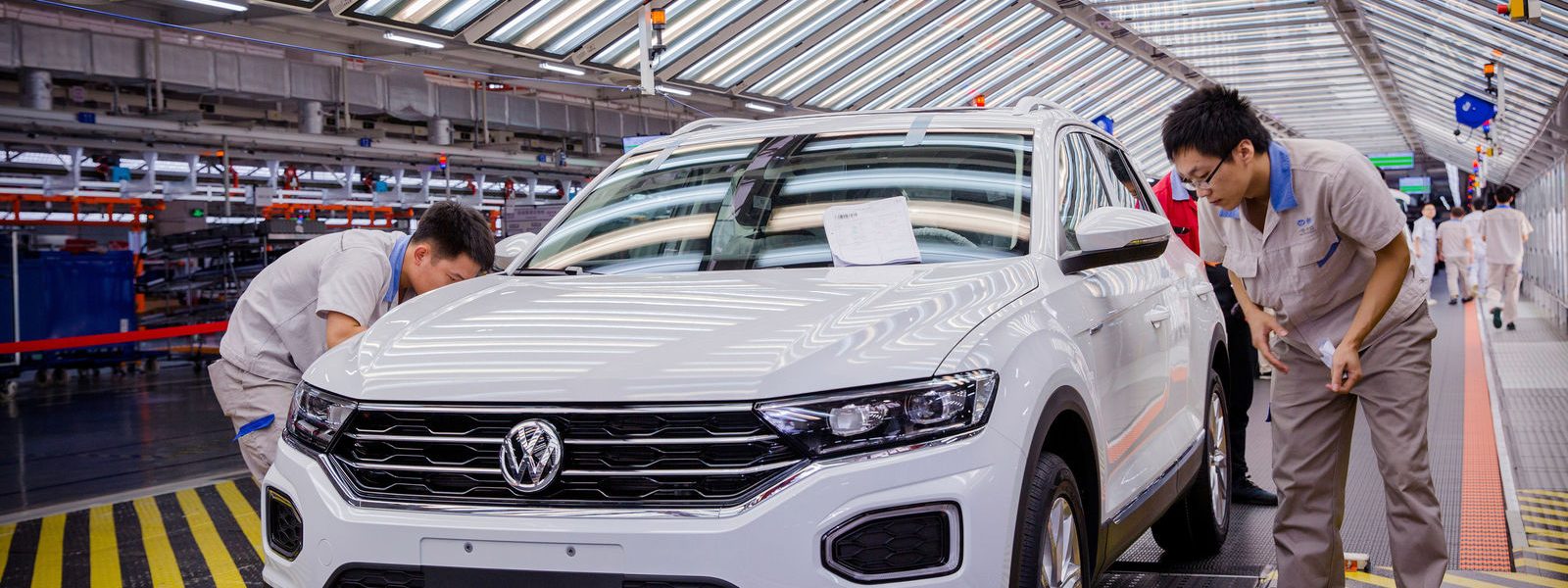







German automaker Volkswagen (VW) has announced its decision to close its factory and operations in Urumqi, the capital of China’s northwestern Xinjiang region, and a test track in Turpan amidst growing human rights concerns. This move, disclosed in late November 2024, marks a significant decision for the company, given that China remains Volkswagen’s largest market.
While VW has officially cited “economic reasons” for this decision, the backdrop of ongoing human rights abuses in Xinjiang has undoubtedly played a role. Rights groups have documented widespread abuses in the region, including reeducation camps and forced labor targeting Uyghurs and other minority groups—allegations that Beijing denies. For years, Volkswagen’s presence in Xinjiang has been a contentious issue, drawing criticism from investors and activists concerned about ethical business practices.
Rising Pressure on European Companies
The European Parliament has taken a strong stance against human rights violations in Xinjiang. On June 9, 2022, it adopted a resolution condemning the systematic repression of Uyghurs and other ethnic minorities. The resolution called for the European Union to impose restrictive measures, including sanctions, against individuals and entities complicit in these abuses. It also urged European companies to ensure their supply chains are free from forced labor.
This sentiment is echoed by the Inter-Parliamentary Alliance on China (IPAC), an international coalition of lawmakers advocating for democratic values and human rights. IPAC has consistently pressured companies and governments to divest from regions implicated in human rights violations, emphasizing the importance of aligning trade and business practices with ethical standards.
Volkswagen’s Move: Ethical and Strategic Considerations
After years of criticism and mounting pressure, Volkswagen has decided to sell its Xinjiang plant and test tracks to Shanghai Motor Vehicle Inspection Certification (SMVIC), a subsidiary of Shanghai Lingang Development Group. By exiting Xinjiang, VW aims to mitigate reputational risks and align its operations with international human rights standards. This decision underscores the growing influence of ethical concerns in corporate decision-making.
The move comes amid heightened EU-China trade tensions. In response to allegations of Chinese subsidies for electric vehicles, the EU recently imposed significant tariffs on Chinese-made EVs. China, in turn, has ramped up efforts to export hybrid vehicles to Europe, attempting to bypass these tariffs while maintaining a foothold in the European market. This evolving trade landscape presents challenges for European automakers, forcing them to reassess their strategies.
Broader Implications for the Auto Industry
Volkswagen’s decision may set a precedent for other companies operating in regions with human rights concerns. European automakers such as Stellantis and Renault have already scaled back their presence in China, citing challenges like sluggish demand and fierce competition. Stellantis sold its assets to Dongfeng and ended its Jeep joint venture with GAC, while Renault exited its joint venture with Dongfeng in 2020.
Meanwhile, companies like BMW and Mercedes-Benz face ongoing scrutiny over their supply chains. Activists and regulators, including the European Centre for Constitutional and Human Rights (ECCHR), have criticized these companies for failing to fully comply with supply chain laws aimed at preventing forced labor.
Volkswagen’s exit from Xinjiang reflects the complex interplay between human rights, economic considerations, and geopolitics. The decision not only highlights the growing importance of ethical business practices but also signals a shift in the strategies of European companies navigating the challenges of operating in China. With the EU intensifying sanctions and regulatory measures and China seeking alternative pathways to maintain its exports to Europe, the automotive industry’s landscape is poised for significant change.
Volkswagen’s move could influence other companies to follow suit, reinforcing the message that adherence to international human rights standards is not just a moral imperative but also a strategic necessity in an increasingly interconnected world.
Views: 212