






In 1979, Deng Xiaoping made a statement that sparked cautious optimism among Tibetans and advocates of Tibetan autonomy: “Anything but independence can be discussed.” This declaration marked a significant moment in Sino-Tibetan relations, offering hope that meaningful negotiations could lead to a resolution that balanced Tibet’s unique cultural and religious identity with China’s territorial concerns. However, nearly five decades later, while everything has been discussed, nothing concrete has been agreed upon.
Deng’s offer was remarkable in that it suggested a break from previous rigid policies. It signaled openness to dialogue, reflecting his broader vision of pragmatism and reform within China. This moment invited Tibetan leaders, including the Dalai Lama, to engage in direct negotiations with Beijing, raising the possibility of autonomy and policy adjustments that would safeguard Tibet’s distinct identity within the framework of Chinese sovereignty.
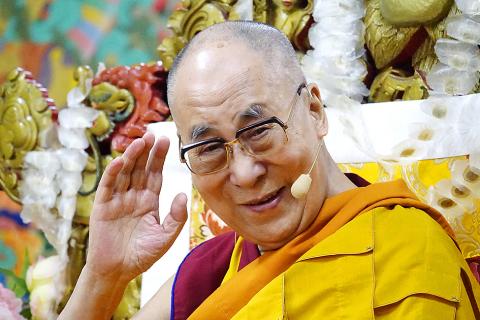
For Tibetans, Deng’s words offered hope that their aspirations—greater cultural and religious freedoms, expanded autonomy, and protection of their traditions—could be formally acknowledged through diplomatic discussion rather than suppressed through coercion. The Dalai Lama welcomed the opportunity, sending representatives to Beijing multiple times and consistently advocating for negotiations through the “Middle Way Approach.”
Despite extensive exchanges between Tibetan representatives and Chinese officials over the years, the discussions have failed to produce tangible results. Several factors have contributed to this prolonged stalemate:
1. **China’s Evolving Position** – While Deng’s words suggested flexibility, subsequent Chinese leadership has tightened control over Tibet, perceiving any concessions as potential threats to national unity. The Chinese Communist Party has repeatedly equated Tibetan autonomy with separatism, dismissing proposals that go beyond token gestures of cultural recognition.
2. **Tibetan Trust Deficit** – Tibetan leaders entered talks in good faith, but repeated instances of repression in Tibet—crackdowns on religious institutions, limitations on language rights, and heavy surveillance—have eroded confidence in Beijing’s willingness to honor any potential agreement.
3. **Geopolitical Considerations** – The Tibet issue remains entangled with broader geopolitical concerns. China’s assertiveness on territorial matters, including Taiwan and Hong Kong, has made Beijing wary of setting a precedent that could embolden movements elsewhere.
The failure to reach an agreement does not mean dialogue should be abandoned. History has shown that sustained engagement—even in the face of deadlock—can lay the groundwork for future breakthroughs. The Tibetan people continue to push for their rights, and the Dalai Lama remains committed to the Middle Way, despite Beijing’s reluctance to engage meaningfully.
If Tibet’s cultural heritage, religious freedoms, and identity are to be safeguarded, diplomacy must persist, and international attention must remain focused on this issue. Deng’s words, though promising, have yet to translate into real change. The challenge now is to ensure that the conversation does not fade into silence, but instead leads to genuine solutions for Tibet’s future.
[The opinions expressed in this article are of the author. Europeantimes.org takes no responsibility for the same.]
Views: 58

Khedroob Thondup
Khedroob Thondup is the son of Gyalo Thondup, elder brother of the Dalai Lama. Educated at St. Stephens College Delhi University and the University of San Francisco. He was a personal assistant to the Dalai Lama and accompanied him on his first trip to the U.S. in 1979. He was sent by the Dalai Lama to Beijing from 1980 till 1993 for dialogue talks where he interacted with Xi Zhongxun and Hu Jintao. He has served as Member of the Tibetan Parliament in Exile for three terms and is the President of the Tibetan Refugee Self Help Centre Darjeeling since 1987. He has edited two books, Dalai Lama My Son and Tibet in Turmoil and presently lives in Taipei, Taiwan.