


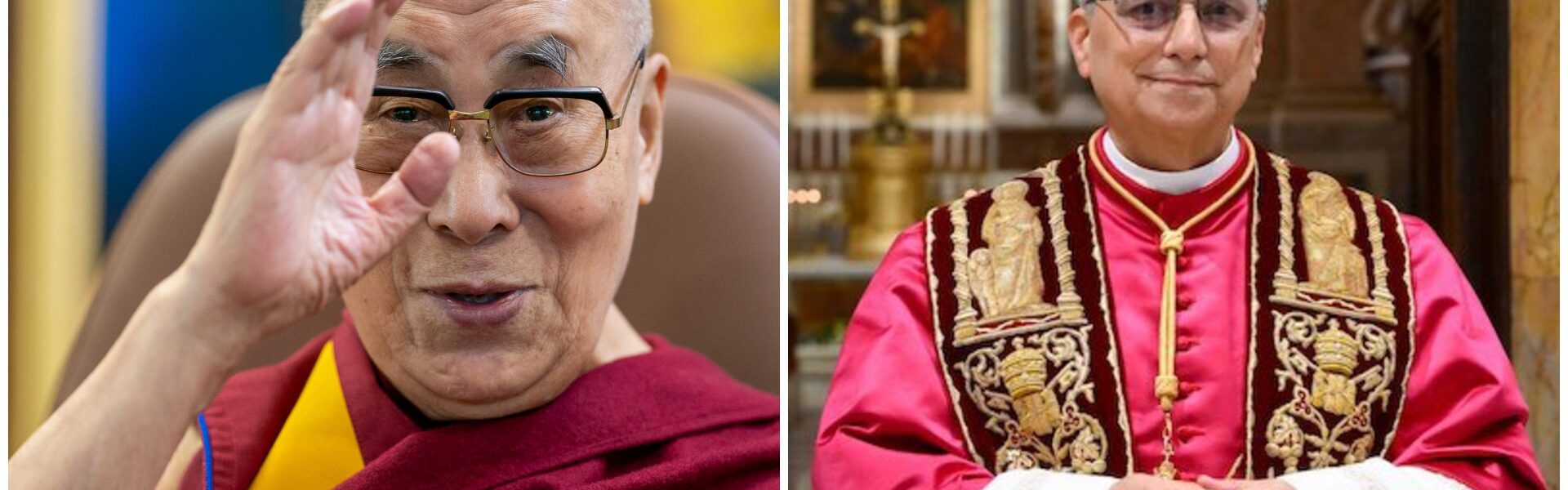







TAIPEI/OP-ED: The selection of the next pope and the confirmation of the next Dalai Lama are deeply rooted in centuries-old traditions that safeguard religious continuity and spiritual legitimacy. While the Catholic Church and Tibetan Buddhism follow distinct processes, both rely on established historical methods to ensure the rightful succession of their leaders. However, in the case of the Dalai Lama, China’s attempts to interfere with the traditional selection process raise concerns about religious autonomy and global recognition.
The election of a new pope follows a meticulously structured process known as the conclave. Upon the death or resignation of a pope, the College of Cardinals gathers in the Sistine Chapel to vote in secrecy. Only cardinals under the age of 80 are eligible to participate. The voting continues until a candidate secures a two-thirds majority, at which point white smoke rises from the chapel, signaling the election of a new pontiff. This tradition, dating back centuries, ensures continuity in the leadership of the Catholic Church while maintaining its spiritual and doctrinal integrity.
In Tibetan Buddhism, the selection of the next Dalai Lama follows an entirely different yet equally traditional process. The Dalai Lama is believed to be the reincarnation of Avalokiteshvara, the Bodhisattva of Compassion. Upon the passing of a Dalai Lama, senior monks and spiritual leaders embark on a search for his reincarnation. This process involves divinations, visions, and signs, including the examination of objects belonging to the previous Dalai Lama to see if a child recognizes them. The final confirmation is conducted by the High Lamas of Tibetan Buddhism, ensuring that the chosen successor aligns with spiritual traditions and teachings.
Despite the deeply spiritual nature of the Dalai Lama’s selection, the Chinese government has sought to control the process, claiming authority over the reincarnation of Tibetan Buddhist leaders. Beijing insists that the next Dalai Lama must be approved by the Chinese Communist Party, a move widely rejected by Tibetan Buddhists and the international community. The current Dalai Lama has repeatedly stated that only Tibetan religious authorities—not political entities—should oversee the reincarnation process.
Both processes emphasize continuity and legitimacy. The papal conclave ensures that the Catholic Church remains unified under a leader chosen through collective wisdom, while the Dalai Lama’s reincarnation process maintains the spiritual lineage essential to Tibetan Buddhism. However, external political interference threatens the integrity of religious traditions, raising concerns about the future of Tibetan Buddhism under Chinese rule.
Despite their differences, the selection of the next pope and the confirmation of the next Dalai Lama reflect the enduring power of tradition in religious leadership. While the Catholic Church remains free from political interference, Tibetan Buddhism faces challenges in preserving its sacred traditions. The global community must recognize and support the autonomy of religious institutions, ensuring that spiritual leaders are chosen through their rightful historical processes.
[The opinions expressed in this article are of the author. Europeantimes.org takes no responsibility for the same]
Views: 148

Khedroob Thondup
Khedroob Thondup is the son of Gyalo Thondup, elder brother of the Dalai Lama. Educated at St. Stephens College Delhi University and the University of San Francisco. He was a personal assistant to the Dalai Lama and accompanied him on his first trip to the U.S. in 1979. He was sent by the Dalai Lama to Beijing from 1980 till 1993 for dialogue talks where he interacted with Xi Zhongxun and Hu Jintao. He has served as Member of the Tibetan Parliament in Exile for three terms and is the President of the Tibetan Refugee Self Help Centre Darjeeling since 1987. He has edited two books, Dalai Lama My Son and Tibet in Turmoil and presently lives in Taipei, Taiwan.


