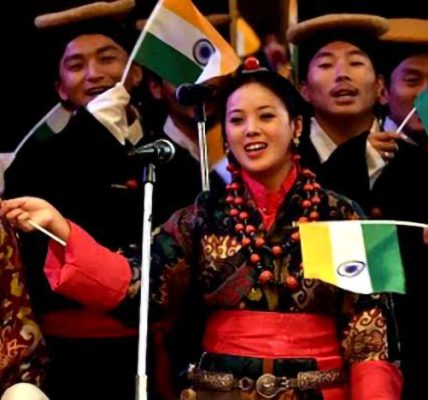




TAIPEI/OP-ED: As global power dynamics shift, India must re-evaluate its defense strategies and deepen military cooperation with Taiwan and Japan. The rise of China’s assertive posturing—from border disputes with India to increasing tensions in the Taiwan Strait and East China Sea—demands a coordinated response from nations committed to a rules-based international order. India, Taiwan, and Japan each face unique but overlapping security concerns. India’s clashes along the Line of Actual Control (LAC), Taiwan’s existential threat from the People’s Republic of China, and Japan’s worries over regional maritime expansion all underscore the need for collective deterrence. India’s existing defense ties with Japan should be further cemented with joint naval exercises, technology-sharing, and interoperability initiatives. While India-Taiwan military cooperation remains unofficial, structured engagement—such as training exchanges and logistical support—would significantly enhance regional preparedness. Beyond military cooperation, intelligence-sharing is critical for strategic foresight. Taiwan’s cybersecurity expertise, Japan’s advanced surveillance capabilities, and India’s border intelligence create a trifecta of complementary strengths. Coordinated intelligence efforts would help preempt threats, counter cyber espionage, and strengthen critical infrastructure security. Establishing secure communication channels and joint intelligence operations would boost strategic positioning against potential adversaries. A deeper trilateral alliance wouldn’t just serve security interests—it would reinforce economic and diplomatic ties. Taiwan’s semiconductor industry could benefit India’s technological ambitions, Japan’s investments could strengthen infrastructure projects, and India’s strategic location offers a vital link in Indo-Pacific trade routes. Diplomatically, a stronger trilateral bloc would provide leverage in negotiations with international institutions, reinforcing the Indo-Pacific’s stability. India’s foreign policy must evolve with the shifting tides of global power. Military collaboration and intelligence-sharing with Taiwan and Japan aren’t just options—they are necessities in securing a free, stable, and prosperous Indo-Pacific. By fostering deeper ties, India can position itself as a pivotal force in the region, countering security threats while advancing mutual interests with two of Asia’s most dynamic partners.
[The opinions expressed in this article are of the author. Europeantimes.org takes no responsibility for the same.]
Views: 62

Khedroob Thondup
Khedroob Thondup is the son of Gyalo Thondup, elder brother of the Dalai Lama. Educated at St. Stephens College Delhi University and the University of San Francisco. He was a personal assistant to the Dalai Lama and accompanied him on his first trip to the U.S. in 1979. He was sent by the Dalai Lama to Beijing from 1980 till 1993 for dialogue talks where he interacted with Xi Zhongxun and Hu Jintao. He has served as Member of the Tibetan Parliament in Exile for three terms and is the President of the Tibetan Refugee Self Help Centre Darjeeling since 1987. He has edited two books, Dalai Lama My Son and Tibet in Turmoil and presently lives in Taipei, Taiwan.