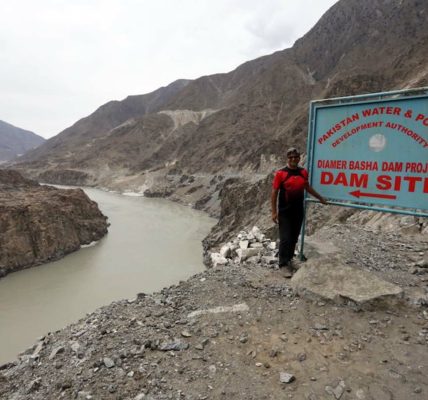
The Tibetan Plateau is often called the “Third Pole” for its vast reserves of freshwater locked in glaciers and rivers. Yet beneath this image of abundance lies a fragile geological reality: active fault lines, frequent earthquakes, and erosion‑prone soils. Building mega‑dams across the Yarlung Tsangpo River—China’s proposed hydropower projects—ignores this instability and risks cascading disasters far beyond Tibet’s borders.
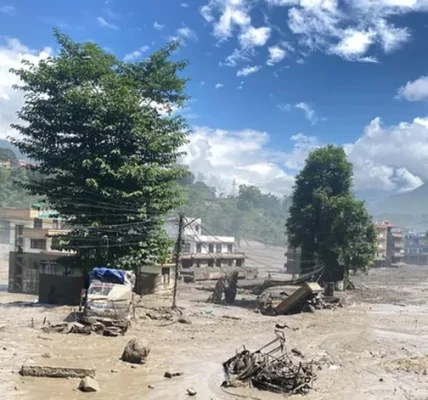
The Geology That Cannot Be Ignored. Seismic volatility: The eastern Himalayas are among the world’s most earthquake‑prone regions. The Paizhen Fault runs directly beneath the proposed dam site, making structural collapse a real possibility. Mudslide risks: Seasonal monsoons saturate fragile soils, triggering landslides that can block reservoirs or cause overtopping. Unstable foundations: Fractured rock and weak cohesion reduce the bearing capacity of dam structures, undermining long‑term safety.
Policy Implications for South Asia.
Transboundary security: The Tsangpo becomes the Brahmaputra as it enters India and Bangladesh. A dam failure upstream would unleash catastrophic flooding downstream, threatening millions of lives and livelihoods.
Water sovereignty: By controlling the Tsangpo’s flow, Beijing gains leverage over South Asia’s water security. India and Bangladesh, already vulnerable to floods and droughts, face heightened dependence on Chinese decisions.
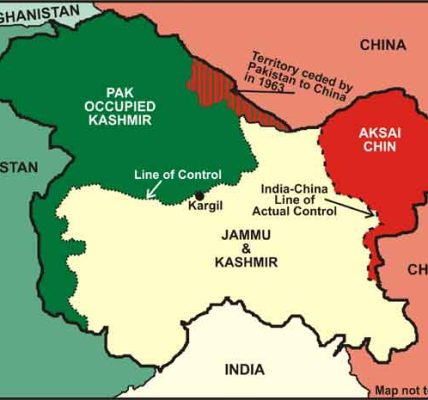
Regional instability: Hydropower ambitions in Tibet risk becoming flashpoints in Sino‑Indian relations, exacerbating mistrust along a contested border.
Conclusion:
A Call for Restraint. The Tsangpo River is not merely a domestic resource—it is a transboundary lifeline. To build dams here is to gamble with geology and geopolitics alike. China’s hydropower ambitions must be tempered by scientific realities and regional responsibilities. For India and Bangladesh, the stakes are existential: their water security, agricultural stability, and disaster resilience hinge on decisions made upstream.
Policy restraint, regional dialogue, and respect for Tibet’s fragile terrain are not optional—they are imperative.
Views: 74

Khedroob Thondup
Khedroob Thondup is the son of Gyalo Thondup, elder brother of the Dalai Lama. Educated at St. Stephens College Delhi University and the University of San Francisco. He was a personal assistant to the Dalai Lama and accompanied him on his first trip to the U.S. in 1979. He was sent by the Dalai Lama to Beijing from 1980 till 1993 for dialogue talks where he interacted with Xi Zhongxun and Hu Jintao. He has served as Member of the Tibetan Parliament in Exile for three terms and is the President of the Tibetan Refugee Self Help Centre Darjeeling since 1987. He has edited two books, Dalai Lama My Son and Tibet in Turmoil and presently lives in Taipei, Taiwan.