


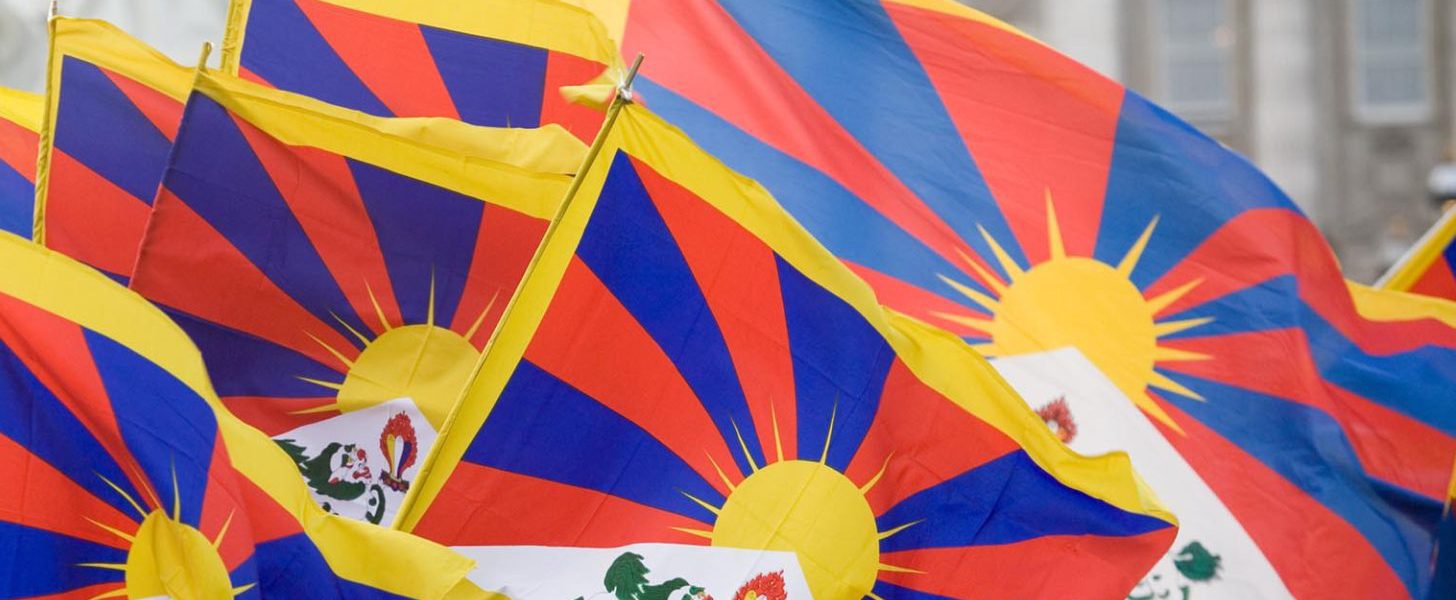







For sixty-six years, Tibet has endured occupation, yet its people’s aspirations remain steadfast. Despite the weight of authoritarian control, cultural suppression, and political marginalization, Tibetans have never abandoned their hope for freedom. Their resilience serves as proof that even prolonged repression cannot extinguish the will of a people. And if a seismic shift were to occur within China, Tibet’s long-denied dream of self-determination could finally find a path forward.
Since China’s takeover in 1959, Tibetans have continued to resist—not through military force, but through an unwavering commitment to preserving their identity. Tibetan Buddhism remains central to their spirit, despite state interference in religious institutions. Tibetan language and traditions persist, even as Beijing pushes policies of cultural assimilation. The exile community, led by the Dalai Lama and global Tibetan activists, has kept the movement alive beyond China’s borders.
This endurance is not merely about survival—it is about keeping hope alive for the moment when change becomes possible. History has shown that no authoritarian grip lasts forever.
China’s political landscape is rigid, yet history teaches us that even the most entrenched regimes are vulnerable to change. Economic crises, leadership transitions, internal discontent, or international pressure could alter Beijing’s stance on Tibet. If China were to move toward a more open political system—whether through reform or upheaval—Tibet could seize the opportunity to reassert its right to self-governance.
A government willing to embrace decentralization or uphold genuine autonomy agreements could open the door to Tibetans reclaiming political agency. Alternatively, if China were to face significant internal strife, Tibet could become a rallying point for broader calls for change.
The world cannot remain indifferent. If China weakens, the role of international advocacy will be crucial. Nations with strong commitments to human rights must use diplomatic pressure, while Tibetans in exile must continue to amplify their voices. The aspirations of the Tibetan people are not fading, and when change arrives, they must be ready to reclaim their future.
Regardless of the timeline, one truth remains: Tibetans have never given up. Their aspirations are written in prayer flags that flutter defiantly across the plateau, whispered in sacred mantras despite surveillance, and carried across generations through songs and stories of resistance. They will wait, for as long as it takes, until history gives them another chance.
[The opinions expressed in this article are of the author. Europeantimes.org takes no responsibility for the same.]
Views: 61

Khedroob Thondup
Khedroob Thondup is the son of Gyalo Thondup, elder brother of the Dalai Lama. Educated at St. Stephens College Delhi University and the University of San Francisco. He was a personal assistant to the Dalai Lama and accompanied him on his first trip to the U.S. in 1979. He was sent by the Dalai Lama to Beijing from 1980 till 1993 for dialogue talks where he interacted with Xi Zhongxun and Hu Jintao. He has served as Member of the Tibetan Parliament in Exile for three terms and is the President of the Tibetan Refugee Self Help Centre Darjeeling since 1987. He has edited two books, Dalai Lama My Son and Tibet in Turmoil and presently lives in Taipei, Taiwan.


