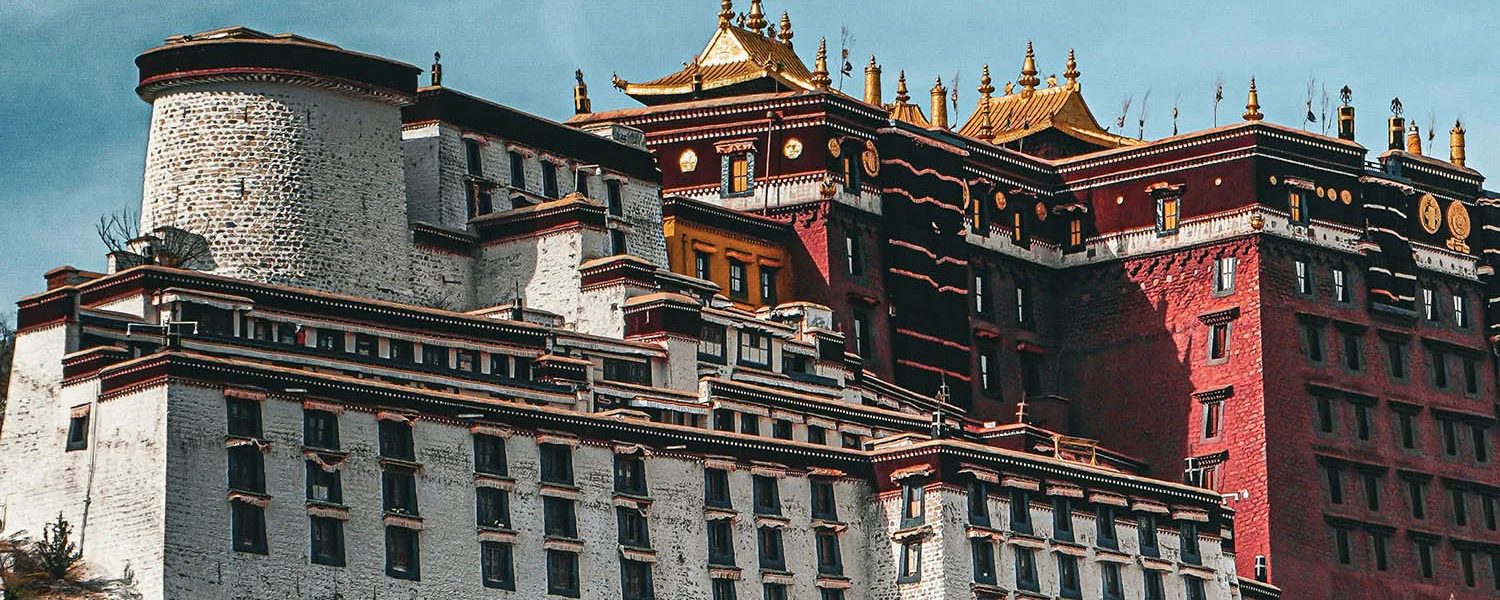







For decades, Tibet has been portrayed by Beijing as a land of harmony and progress, a showcase of “ethnic unity” under Chinese rule. Yet the reality for outsiders who attempt to enter tells a very different story. Despite minor improvements in access, occasional group tours, carefully choreographed visits by diplomats, and tightly managed cultural showcases, Tibet remains one of the most restricted regions of China, and among the most difficult places in the world for independent foreign access. The barriers are not incidental; they are deliberate, designed to limit transparency, suppress journalism, and control international engagement.
Unlike most provinces in China, Tibet requires special permits for foreign visitors. These are not automatically granted. Applications are filtered through layers of bureaucracy, often requiring sponsorship by approved travel agencies. Independent foreign travel to the Tibet Autonomous Region is effectively impossible. Even when permits are issued, itineraries are rigidly controlled, with visitors confined to pre-approved routes and sites. The message is clear. Tibet is not a place to be freely explored, but a stage-managed exhibit.
Those who do gain entry encounter a landscape saturated with surveillance. Hotels are monitored, movements tracked, and conversations observed. Foreign journalists face particular hostility, with access routinely denied or curtailed. Tibetan-origin visitors, especially those from exile communities, are singled out for even harsher scrutiny. Their family ties and cultural fluency make them “dangerous” in the eyes of the state, capable of piercing the official narrative. Many report being denied entry outright; those who succeed often find themselves shadowed, interrogated, or pressured to abandon their plans.
China occasionally organizes tours for diplomats or journalists, but these are Potemkin exercises. Delegations are shepherded to model villages, gleaming monasteries, and showcase schools, while the broader realities of boarding schools, language restrictions, and political indoctrination remain largely inaccessible to independent scrutiny. Independent reporting is impossible. The opacity is not accidental. It is the cornerstone of Beijing’s Tibet policy. By controlling who sees what, the state controls what the world believes.
The restrictions on access are not just a bureaucratic inconvenience; they are a strategic tool. By limiting foreign presence, Beijing shields its policies from scrutiny, including reported demolitions or removals of religious sites and symbols, the erosion of Tibetan-language education, the expansion of surveillance infrastructure, forced or pressured relocation programs, and the silencing of dissent. Tibetans inside the plateau are left with little safe access to foreign media, while the diaspora struggles to counter official narratives without firsthand reporting. The result is a vacuum of truth, filled by propaganda.
For governments and institutions committed to human rights, the restrictions in Tibet pose a direct challenge. Without transparency, engagement is hollow. Without access, dialogue is one-sided. Tibet’s closed doors undermine not only the rights of Tibetans but also the credibility of international actors who accept Beijing’s terms. To insist on genuine access, unfettered travel, independent journalism, and equal treatment for Tibetan-origin visitors, is not a matter of courtesy. It is a matter of principle.
Tibet remains tightly restricted not because of logistical hurdles but because openness threatens the narrative of control. Permits, surveillance, and scrutiny are the mechanisms by which Beijing maintains its monopoly on truth. Until those barriers are dismantled, Tibet will remain a land seen only through a keyhole, its reality obscured, its people unheard.
Views: 249

Khedroob Thondup
Khedroob Thondup is the son of Gyalo Thondup, elder brother of the Dalai Lama. Educated at St. Stephens College Delhi University and the University of San Francisco. He was a personal assistant to the Dalai Lama and accompanied him on his first trip to the U.S. in 1979. He was sent by the Dalai Lama to Beijing from 1980 till 1993 for dialogue talks where he interacted with Xi Zhongxun and Hu Jintao. He has served as Member of the Tibetan Parliament in Exile for three terms and is the President of the Tibetan Refugee Self Help Centre Darjeeling since 1987. He has edited two books, Dalai Lama My Son and Tibet in Turmoil and presently lives in Taipei, Taiwan.