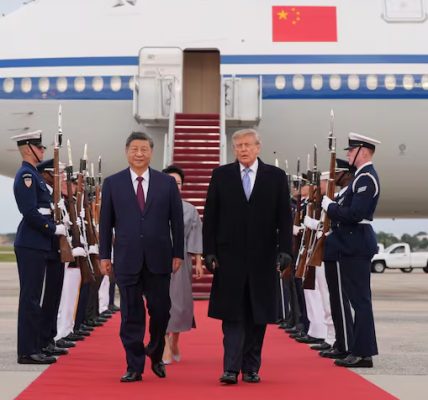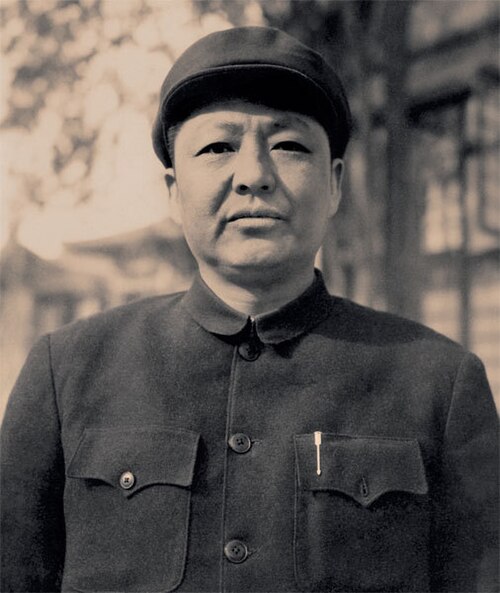







TAIPEI/OP-ED: In Chinese tradition, filial piety is one of the highest virtues—an unwavering respect for one’s parents and ancestors, reflected in both personal and political life. Yet, as Xi Jinping continues to shape China’s future, his governance stands in stark contrast to the reformist legacy of his father, Xi Zhongxun. While Xi Zhongxun was a proponent of economic liberalization and a more conciliatory approach toward Tibet, his son has embraced policies that echo the authoritarianism of Mao Zedong’s era. Xi Zhongxun was known for his pragmatic leadership, advocating for economic reforms that laid the groundwork for China’s modernization. He also had a more open stance toward Tibet, recognizing the importance of dialogue and cultural preservation. His tenure reflected a belief in gradual change and engagement rather than suppression. In contrast, Xi Jinping has reinforced Beijing’s grip on Tibet, intensifying surveillance and ideological campaigns that critics argue erode Tibetan identity. The Dalai Lama himself has remarked that China under Xi Jinping appears to be returning to the oppressive policies of Mao’s time, now enforced through advanced surveillance technologies. This shift marks a departure from his father’s approach, favoring control over compromise and ideological purity over pragmatic governance. The question remains: Can filial piety exist in the realm of politics? While Xi Jinping may honor his father in name, his policies suggest a departure from the reformist ideals Xi Zhongxun once championed. Instead of carrying forward his father’s vision, he has chosen a path that consolidates power and suppresses dissent. As China moves forward under Xi Jinping’s leadership, the contrast between his rule and his father’s legacy serves as a reminder of the complexities of power, loyalty, and historical memory. Whether this path strengthens China or deepens its internal fractures remains to be seen.
[The opinions expressed in this article are of the author. Europeantimes.org takes no responsibility for the same]
Views: 147

Khedroob Thondup
Khedroob Thondup is the son of Gyalo Thondup, elder brother of the Dalai Lama. Educated at St. Stephens College Delhi University and the University of San Francisco. He was a personal assistant to the Dalai Lama and accompanied him on his first trip to the U.S. in 1979. He was sent by the Dalai Lama to Beijing from 1980 till 1993 for dialogue talks where he interacted with Xi Zhongxun and Hu Jintao. He has served as Member of the Tibetan Parliament in Exile for three terms and is the President of the Tibetan Refugee Self Help Centre Darjeeling since 1987. He has edited two books, Dalai Lama My Son and Tibet in Turmoil and presently lives in Taipei, Taiwan.