


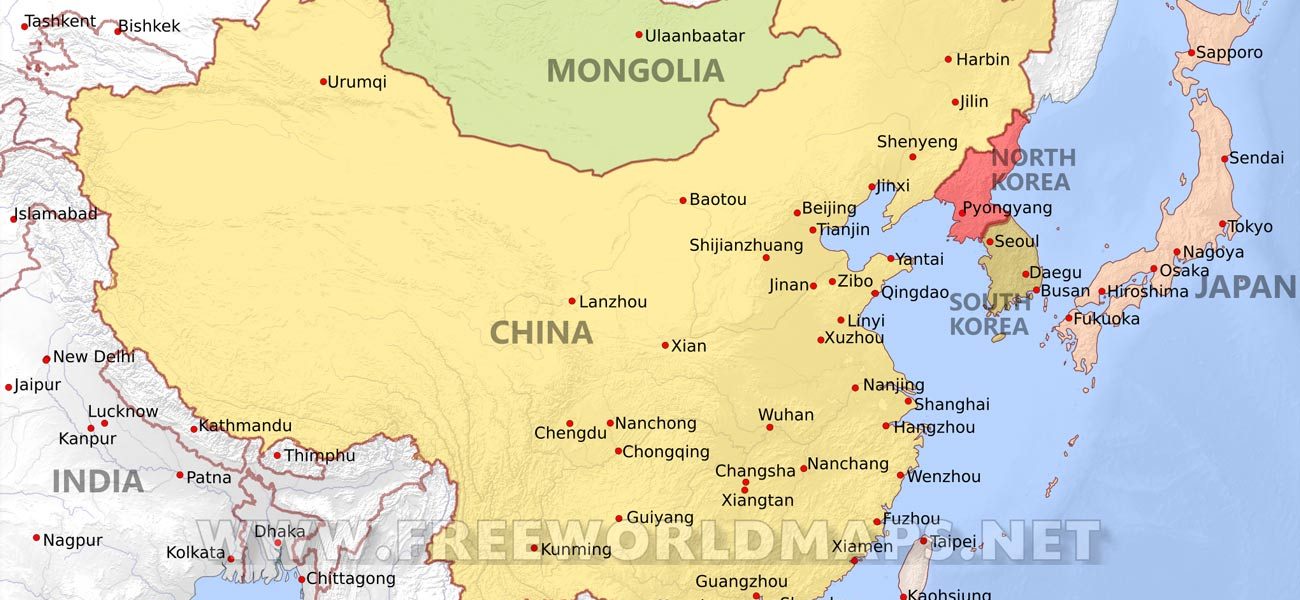







The world’s most strategically disputed area exists in East Asia because of its combination of past events and its economic ties and military development. The world needs this region to remain stable because it functions as a vital centre for international trade and technological and financial operations. The security structure of East Asia undergoes major changes because of how Japan and South Korea and China, and Russia interact with each other. The four nations maintain an unstable power balance through their conflicting interests and their long-standing historical conflicts. The strategic interactions between these nations through deterrence and diplomacy, and economic integration, create a necessary framework for regional stability during times of global power shifts. The states serve as architects of stability, yet their differing views and ongoing disagreements generate security threats which require both operational teamwork and innovative institutional frameworks.
The security framework of East Asia depends on Japan through its US alliance and its pacifist constitution, and its expanding security duties. Tokyo has started to transform its defence strategy by expanding its security role in the region while moving past Article 9 limitations. Japan supports regional stability through three main strategies, which include Quad participation and defence budget expansion and Southeast Asian capacity development programs. The historical conflicts between Japan and China, and South Korea create obstacles for building trust, which restricts their ability to work together in a trilateral partnership.
South Korea stands as a special case because it serves as a front-line nation during the Korean Peninsula conflicts while it works to become a middle power to increase its international influence. The United States maintains its position as South Korea’s main security partner, but Seoul has established diplomatic relations with other countries and worked to improve ties with North Korea. South Korea uses its defence industry growth and cyber warfare capabilities, and middle-power diplomatic efforts to shape regional dialogue throughout the entire region. The country faces limitations in its strategic independence because North Korea maintains unpredictable nuclear threats, and the U.S.-China competition requires South Korea to perform challenging diplomatic manoeuvres. The primary challenge for South Korea is reconciling its national security needs with its aspiration to be a bridge-builder in East Asia.
China plays an essential role in creating instability in the world. As the region’s largest economy and military power, Beijing is a central actor in shaping East Asia’s future. The country demonstrates its ambition to reshape the regional order through its strong South China Sea position and military development programs, and expanded control of regional logistics networks. China advances economic unity through two programs, which include the Belt and Road Initiative and the Regional Comprehensive Economic Partnership, while using a dual approach that links economic ties to defensive military operations. China’s expanding global influence has led Japan and South Korea to doubt its intentions because they fear Chinese forced actions and ongoing disputes about their border territories. Regional actors see China as their economic defender, yet they also fear its military power will endanger their national security.
Russia maintains a vital position in East Asian security architecture despite its position as a peripheral power in the region. Moscow uses its energy diplomacy, together with arms sales and strategic signalling, to gain power in its diplomatic relations with China and North Korea. The security situation in Northeast Asia depends on more than the competition between the United States and China because Russia maintains its position in the region. The Moscow-Beijing alliance has made bloc structures more powerful, but Russia keeps its ability to act as either a blocking force or peacekeeper, depending on its strategic objectives. Russia maintains a position as a destabilising factor in East Asian stability through its unpredictable actions, although its power does not approach that of China or the United States.
The security framework of this region continues to face instability because it lacks proper protection against potential threats. The ongoing historical conflicts between nations maintain their ability to damage relations because Japan and South Korea fight over their past conflicts and border disputes. East Asia depends on bilateral deterrence and ad hoc diplomacy because it does not have a multilateral security treaty like NATO to handle crises effectively. The U.S.-China rivalry forces regional alliances to select between two competing blocs, which results in rising global divisions. The nuclear program of North Korea creates an existential danger because it conducts missile tests and cyber-attacks, and maintains unpredictable diplomatic relations, which create instability throughout the peninsula. The system faces multiple structural weaknesses because it depends too heavily on economic ties instead of security commitments and because it lacks proper trust-building institutions and faces rising threats from cyber and technological warfare.
The upcoming challenges become more complex because new developments in the strategic environment continue to evolve. The creation of artificial intelligence and cyber capabilities, and surveillance technologies has created new competition domains which current institutions fail to manage effectively. The strategic situation becomes vulnerable to strategic mistakes because of how energy security needs intersect with the South China Sea and East China Sea maritime disputes. The strategic alignment between China and Russia, together with U.S.-led coalitions that include Japan and South Korea, creates conditions for permanent bloc formation, which opposes the development of inclusive regional frameworks. Middle powers South Korea and Japan now take independent actions, which create chances for leadership yet threaten to split the region.
Addressing these challenges requires a blend of strategic patience, institutional creativity, and pragmatic cooperation. The four powers need to recognise that East Asian stability requires more than deterrence because it needs strong systems for dialogue and trust development. The establishment of an official East Asian Security Council through ASEAN+3 expansion would create a system for official security cooperation between nations. The combination of Track II diplomacy with defence dialogues would work to reduce mutual misunderstandings between nations. The implementation of confidence-building measures through joint disaster relief operations and maritime patrols, and cyber threat sharing would establish operational channels for cooperation during times of strategic competition. Nations must establish their sovereignty through non-aggressive means while using peaceful methods to resolve disputes to prevent escalation. Smaller states and middle powers need to actively participate in this process because their involvement will stop hegemonic deadlock, and Indonesia can serve as a bridge to unite different factions. Japan and South Korea and China, and Russia need to function as both independent nations and leaders who create peace throughout their respective regions. East Asia needs to develop trust into controlled competition and collective defence systems, which will protect its economic growth through stable security frameworks.
Views: 151

Simon Hutagalung
Simon Hutagalung is a retired Indonesian Foreign Ministry diplomat and received his Master’s degree in Political Science and Comparative Politics from the City University of New York. He writes opinion pieces for Europeantimes and all opinions expressed in his article are his own.


