







The China–US relationship faces ongoing instability because President Trump plans to visit China in April 2026 despite fresh diplomatic efforts, which have not addressed fundamental problems between the two nations. The present state of peace shows instability because experts predict that peace will face a significant risk of breakdown in the following 12 months.
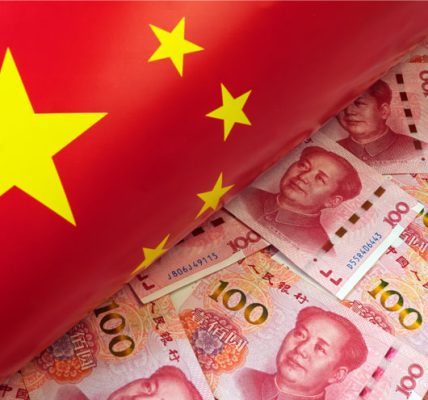
The 2025 data indicates that trade functions as a primary problem according to the data. The United States exported between US$9–11 billion monthly to China, but imported US$20–41 billion monthly, which resulted in a significant trade deficit. The United States exported $9.9 billion worth of goods during January 2025, but imported $41.6 billion worth of goods, which created a trade deficit of $31.7 billion. The deficit continued to exist after the October 2025 tariff reductions because exports reached US$8.95 billion while imports reached US$23.9 billion. The statistics demonstrate that trade between these nations results in a significant and ongoing trade deficit.
The present mismatch between these two sectors has led Washington politicians from both parties to support enhanced regulatory measures which would govern technology and strategic industry export activities. The White House supports transactional agreements but must consider the political need to maintain a firm position against Beijing.
The Chinese government has used different trade policies because of economic difficulties, which resulted in global exports reaching US$3.4 trillion during the first eleven months of 2025 while producing a trade surplus of US$1 trillion. The country has achieved this growth through its improved trade connections with ASEAN nations, Middle Eastern countries, and Belt & Road partner states, which protect China from US trade restrictions and reduce American trade power. The present trade peace will not last because it depends on political changes in the United States and worldwide economic instability.
The relationship faces its most dangerous conflict in Taiwan, which serves as its most critical point of tension. The People’s Liberation Army performs regular military operations near the island because Beijing sees these actions as essential for demonstrating control, yet Washington sees them as attempts to force Taiwan. The bipartisan support for Taiwan makes it difficult to find common ground because any accommodation would likely trigger negative reactions from others. The wrong calculations made at this stage would develop into major problems.
Southeast Asian governments recognise these security threats, so they have increased their surveillance operations and created systems to respond to emergencies. The two nations, Indonesia and Singapore, now possess better systems to monitor their maritime areas, while Vietnam has built up its defence alliances with foreign nations. The Taiwan Strait functions as a vital strategic passage which would create major worldwide effects if any disruption occurred in this vital waterway.
The companies face major obstacles because technological competition stands as their main competitive challenge. The digital competition between nations has become more severe because Washington has established new barriers which block Chinese access to sophisticated technological resources. The Chinese government treats these security measures as threats to its national development even though they were established for national security purposes. China has started to develop its own chip manufacturing capabilities, and it is building quantum computing and artificial intelligence systems within its territory.
The Digital Silk Road enables China to expand its international presence through 5G network and surveillance system exports, which threaten both US technological dominance and worldwide technological standards. The current cybersecurity disputes between countries have established new trust problems, which make it challenging to establish stability in the region. The core components of these technological disputes will establish permanent effects which will shape the future competition between these two companies.
For Southeast Asia, the current state of China–US relations presents both an alleviation and a dilemma. The area enjoys stable tariff rates, but it needs to manage its diplomatic connections with different nations. China stands as the biggest trading nation, which provides essential investment to ASEAN, while the United States functions as the main security ally for multiple ASEAN nations.
The region works to decrease its exposure to external disruptions through its regional initiatives, but these efforts do not protect the area from possible China–US relationship collapses. The region will experience its most severe economic problems and security threats when international relations between nations reach their highest point of tension. The ASEAN policy of “centrality” aims to preserve neutrality, but the region remains exposed to the competition between major powers.
The current relationship faces obstacles because of the domestic political conditions which exist in the country. The Chinese government must show external confidence because of economic challenges, but the United States government takes a hard line against China because of upcoming elections. The process of diplomatic advancement faces potential collapse because domestic political changes in any country can cause it to reverse.
The upcoming Chinese visit of President Trump in April 2026 creates a chance for diplomatic relations. The relationship needs to stay stable during this visit because all predictions indicate this will happen. The development of solutions will not emerge from general agreements because specific actions must be implemented to rebuild military communication systems, establish crisis management frameworks, and improve trade facilitation processes. The established initiatives would decrease the risk of making wrong choices while building an environment which fosters beneficial diplomatic relations.
China and the United States maintained minimal diplomatic efforts throughout 2026 because their fundamental problems continued to persist without resolution. The current diplomatic crisis between countries developed from their previous diplomatic actions, yet their fundamental competitive elements, which fuel their rivalry, continue to operate. The risk of miscalculation remains high because it could trigger worldwide consequences. Southeast Asia needs to develop strategies for handling unstable situations while building its ability to withstand challenges and keeping its ability to adapt to changing circumstances. The storm maintains its intense state because there are no indications that it will stop. The April visit aims to establish a brief chance for both sides to understand each other, which would stop the current delicate situation from collapsing.
Views: 55

Simon Hutagalung
Simon Hutagalung is a retired Indonesian Foreign Ministry diplomat and received his Master’s degree in Political Science and Comparative Politics from the City University of New York. He writes opinion pieces for Europeantimes and all opinions expressed in his article are his own.