


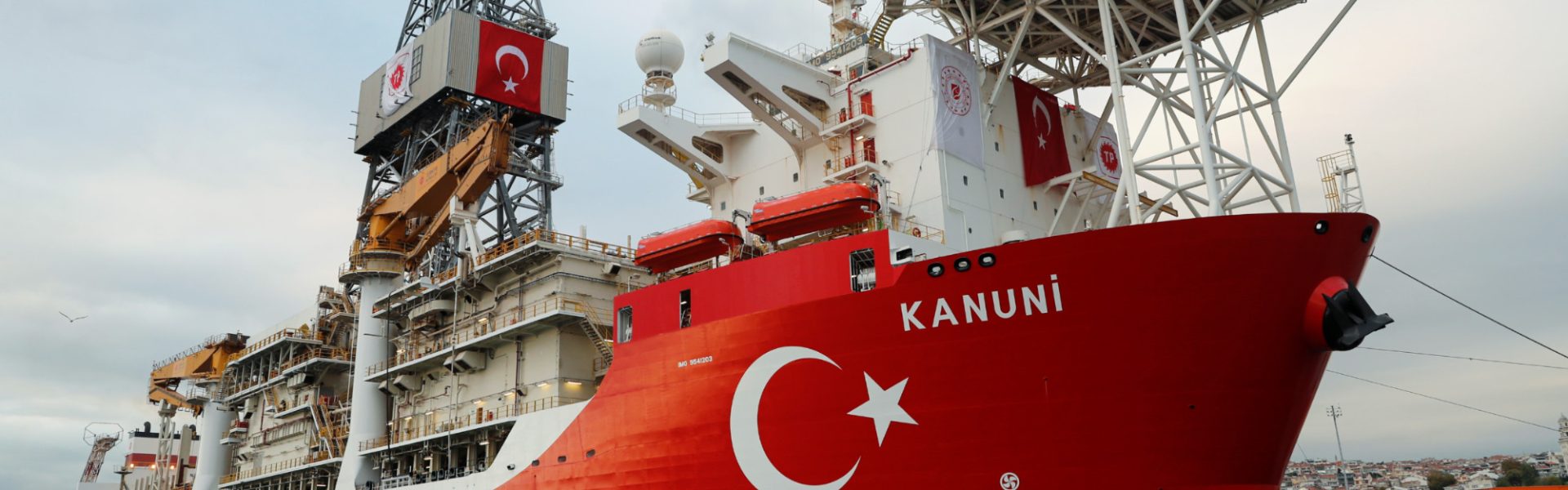







ANKARA/MOGADISHU: In these uncertain and turbulent times, much is said about the imminent end of hydrocarbons. Yet, this notion is far from reality — at least for the foreseeable future. Hydrocarbons remain critical across a vast range of industries, from medicine to transportation, from textiles to construction. The world still deeply depends on oil and gas, not only for fuel but for countless everyday materials. Finding alternatives on a global scale will take decades, if not longer.
The real threat today is not the decline of hydrocarbon usage, but the possibility of failing to find enough resources to meet growing global demand. In this context, hydrocarbons remain a central factor in global politics and economics, shaping power dynamics and influencing the quality of life across continents.
Against this backdrop, Somalia is stepping into the international spotlight — not as a nation synonymous with conflict and instability, but as a potential hydrocarbon giant. It is poised to become a significant producer of oil and gas, capable of supplying critical resources to energy-hungry nations around the world.
Recent years have seen the publication of promising surveys indicating sizable hydrocarbon reserves both offshore and onshore. Somalia is awakening to the necessity of balancing national sovereignty with the demands of an energy-thirsty world. A landmark in this transformation is the Production Sharing Agreement (PSA) signed between the Federal Republic of Somalia and Türkiye, a move that has stirred controversy, hope, and considerable debate.
The Somalia-Türkiye Agreement
The PSA, signed on March 7, 2024, and submitted to the Turkish Parliament for ratification on April 22, 2025, represents a watershed moment. Somalia reportedly contains some 6 billion cubic meters of natural gas and more than 30 billion barrels of offshore oil. Some estimates, factoring in potential onshore reserves, suggest that Somalia could hold up to 110 billion barrels of oil and gas — placing it among the largest energy reserves in the world.
The agreement is mutually beneficial: Türkiye, a rising regional power, secures a critical future energy supply, while Somalia gains a strong partner to help develop its long-neglected resources. However, the deal has drawn criticism, largely around several key points:
- Flexibility for Türkiye: Turkish Petroleum Corporation (TPAO) or its designated entities can assign their rights to third parties without establishing a local Somali presence.
- No Upfront Payments: Türkiye is not required to pay typical signature bonuses, development fees, or administrative costs.
- Cost Recovery Terms: Türkiye is entitled to 90% of petroleum produced annually until costs are recovered, with Somalia receiving a 5% royalty in cash or kind.
- Operational Freedom: Turkish entities can freely export their share of petroleum at international prices without interference.
- Security Support: Türkiye will support Somali security efforts, particularly in counterterrorism and anti-piracy operations.
- Investment Protections: Disputes will be settled under the ICSID Convention in an arbitration panel seated in Istanbul.
Understanding the Risks
At first glance, the terms seem heavily tilted in Türkiye’s favor. However, a realistic assessment of Somalia’s high-risk environment — marked by terrorism, piracy, weak infrastructure, and political instability — explains the incentives. Few countries have dared to invest in Somalia. Türkiye’s willingness to risk capital and political resources must be recognized and appreciated.
Globally, PSAs often allow international oil companies to recover initial exploration costs before profits are shared. Somalia will begin earning royalties and taxes from day one, and once Türkiye’s costs are recovered, the revenue split may shift heavily in Somalia’s favor — potentially up to 70% for Somalia, 30% for Türkiye. Compared to many international norms, where host countries often receive far less initially, Somalia’s position is strong in the long term.
If oil and gas prices remain favorable, Somalia could begin to reap substantial revenues within three to four years, providing a crucial foundation for national reconstruction and development.
The Path Forward: Transparency and Vigilance
For Somalia to truly benefit, strong governance, transparent institutions, and effective resource management will be critical. Petroleum wealth can either transform Somalia into a thriving nation or become another tragic example of the “resource curse.” Mismanagement, corruption, and foreign meddling must be guarded against.
There is a troubling amount of misinformation circulating, much of it aimed at undermining Somalia’s growing partnerships, particularly with Türkiye. Some of this comes from historical enemies, while other criticisms emerge from within — often fueled by ignorance or opportunism. Somalis must remain vigilant and not allow external manipulation or internal greed to sabotage their nation’s future.
Türkiye stands almost alone in having made major, concrete investments in Somalia’s future. While others have watched Somalia’s struggles from a distance, Türkiye has committed resources, training, and now, energy partnerships. This relationship, while not without flaws, represents a rare opportunity that must be carefully nurtured.
Somalia stands at the cusp of a historic transformation. With abundant natural resources and a committed international partner, it now has a tangible chance to rebuild itself and offer a better life to its citizens. This moment demands wisdom, unity, and vision.
The Somali people must think long-term, act with integrity, and ensure that their vast natural wealth serves the cause of peace, prosperity, and sovereignty. In this new hydrocarbon frontier, Somalia has a real shot at rewriting its story — not as a victim of conflict, but as a master of its own destiny.
Views: 212


