






BRUSSELS: The European Union (EU) has long viewed its relationship with Africa through a lens of partnership and mutual development. However, recent events have underscored the complexities and limitations inherent in this relationship, prompting the EU to reassess its strategies to protect and strengthen these vital ties.
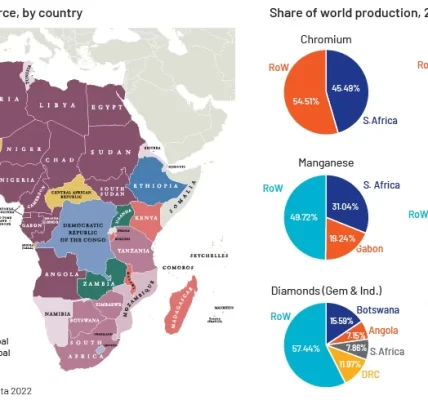
A notable instance is the EU’s minerals deal with Rwanda, valued at €900 million, aimed at securing critical raw materials for Europe’s technological industries. This agreement has come under intense scrutiny due to Rwanda’s alleged support of the M23 rebel group in the Democratic Republic of the Congo (DRC). The rebel group’s capture of Goma has exacerbated regional instability, leading to calls from within the EU, particularly from Belgium, to suspend the deal. Critics argue that continuing the agreement implicates the EU in the ongoing humanitarian crisis in North Kivu.
This situation highlights a broader challenge: the EU’s need to balance its strategic interests with ethical considerations. While securing raw materials is crucial for technological advancement, partnering with governments accused of human rights violations can tarnish the EU’s global standing and moral authority.
Migration remains another contentious issue. The EU’s funding to Tunisia faced criticism after investigations revealed abuses by EU-funded security forces against migrants. In response, the European Commission has revamped its funding approach, making future payments contingent on the observance of human rights. This move underscores the EU’s recognition of the need to uphold its values, even when addressing pressing concerns like migration.
Furthermore, the EU’s influence in Africa is being challenged by the continent’s increasing assertiveness and the emergence of a multipolar world. Africa’s growing importance on the global stage means that European policies can no longer be Eurocentric but must consider African perspectives and aspirations.
In light of these developments, the EU must acknowledge the limits of its influence and adopt a more nuanced approach to its African partnerships. This involves engaging in genuine dialogue, understanding the unique challenges faced by African nations, and ensuring that collaborations are rooted in mutual respect and shared values.
By recognizing these limitations and striving for equitable partnerships, the EU can work towards a future where its ties with Africa are not only protected but also strengthened, fostering sustainable development and stability for both continents.
Views: 25