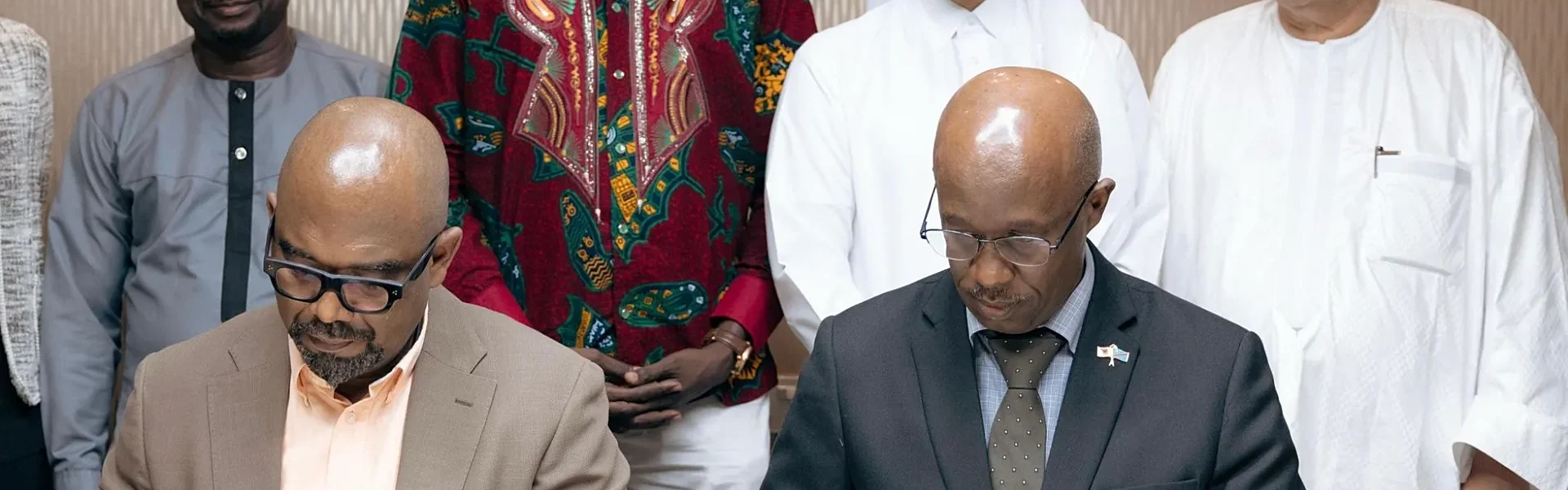







DOHA: The Democratic Republic of the Congo and the M23 armed group have signed a framework agreement in Doha, establishing the structure for negotiations aimed at ending the conflict in the country’s troubled east.
The accord follows months of intense fighting in North and South Kivu, where violence escalated earlier this year after M23 seized Goma and expanded control over mineral rich areas. Delegations said the document sets out eight protocols that will be negotiated separately in the weeks ahead. According to M23 chief negotiator Benjamin Mbonimpa, each protocol addresses a specific root cause of the conflict and must be completed before a final peace deal can be reached.
Qatar, which has hosted several rounds of talks since April, described the framework as a step toward stabilising eastern Congo but stressed that the process now moves into a detailed and more demanding phase. A senior Qatari official said the agreement opens the way for negotiations on restoring state authority, governance reforms and the return of displaced civilians, adding that the framework itself “is not the end of the road”.
Although the document does not change realities on the ground, Mbonimpa noted that progress will depend on completing each protocol in sequence. One of the central issues under discussion is the joint management of areas currently held by M23, a concept both sides have considered previously but never finalised.
M23, backed by neighbouring Rwanda, is one of more than a hundred armed groups operating in eastern Congo. Fighting has displaced around seven million people and created one of the world’s most severe humanitarian crises. The situation deteriorated sharply when M23 captured Goma and Bukavu earlier this year, bolstering its leverage and placing greater pressure on regional and international mediators.
Kinshasa and M23 had endorsed a declaration of principles in July committing to a comprehensive peace agreement that included restoring state authority in rebel held cities and a prisoner exchange. However, both sides missed the August deadline to complete the deal. In October, they established an oversight body to prepare for a potential permanent ceasefire, but disagreements over implementation persisted.
The United States welcomed the Doha framework. Senior adviser Massad Boulos, who attended the signing, said it marks the beginning of a longer process and gives both parties “an opportunity to move toward a lasting settlement”, while cautioning that substantive negotiations still lie ahead.
Despite the diplomatic momentum, regional tensions between Congo and Rwanda continue to cast a shadow over the talks. Kigali rejects accusations that it supports M23, while Kinshasa insists Rwanda is backing the rebels. Washington has increased mediation between the two governments, resulting in a separate bilateral agreement earlier this year.
The new framework outlines a path toward de escalation, but its impact will depend on whether both sides follow through in the next negotiation phase and whether fighting subsides in areas where civilians remain at risk. The conflict has killed thousands and displaced hundreds of thousands, deepening a humanitarian crisis described by the United Nations as among the most severe worldwide.
Views: 23